BIOGRAPHY

BIOGRAPHY

Vincenzo Giubba

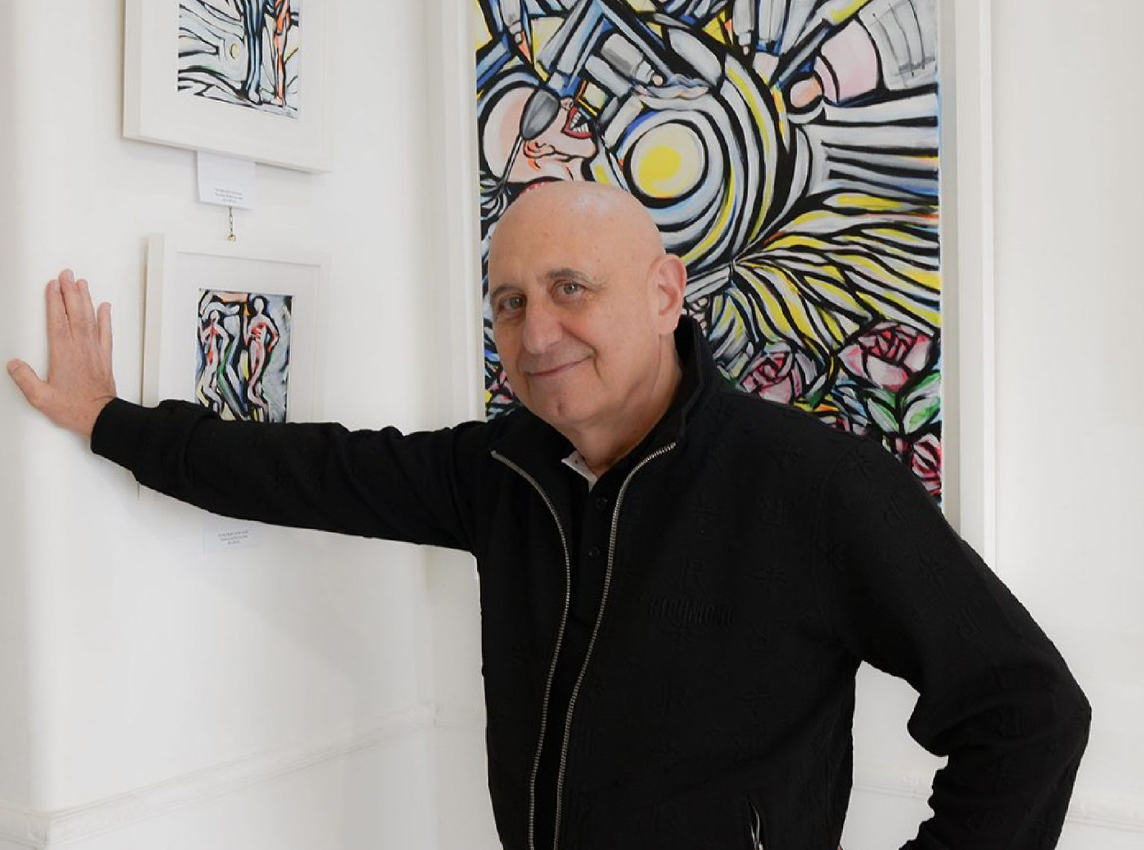
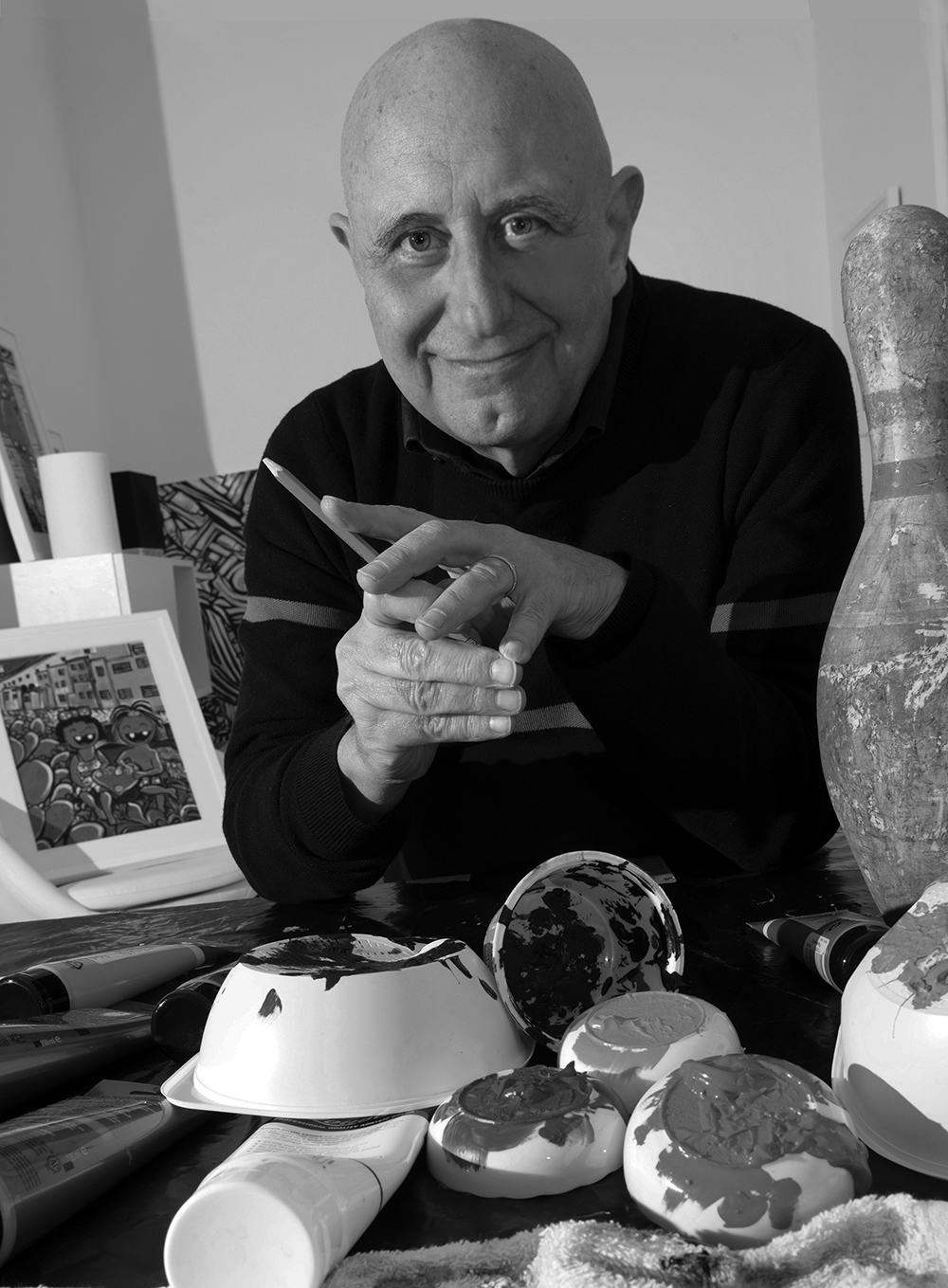
Da Firenze approda a Roma nel 2023, dove vive tuttora, il maestro Vincenzo Giubba.

Nato a Lecce nel 1957, fin da giovanissimo si è interessato alla visual art ed in particolare alla pittura, lavorando anche come grafico, illustratore e designer durante gli anni universitari a Firenze. Laureatosi a pieni voti in architettura (1983) con una tesi sull’arte e l’estetica contemporanea visti come processo di lettura e trasformazione dello spazio fisico, realizza alcune opere di architettura e per alcuni anni insegna materie artistiche.

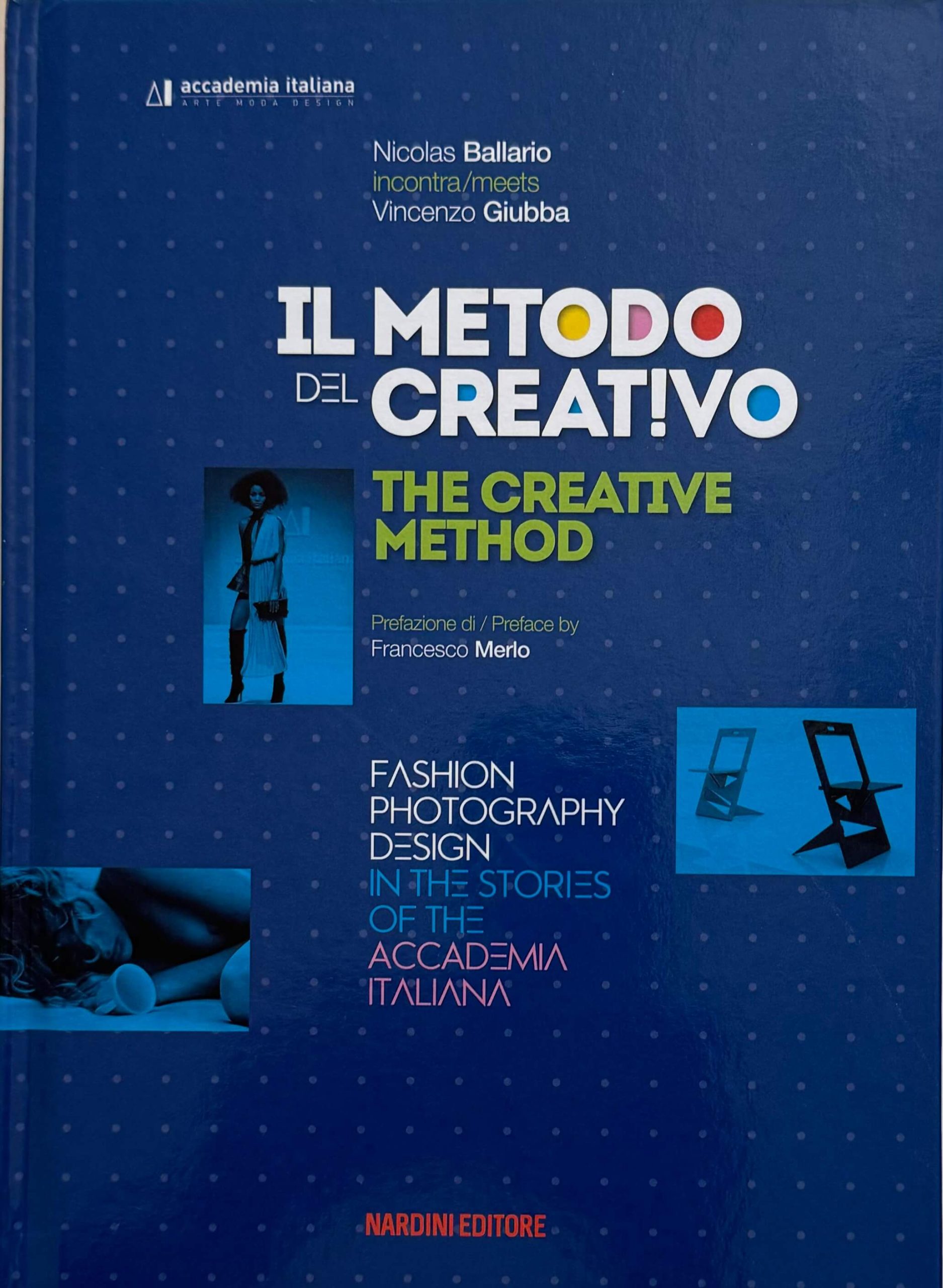
Nel 1984/85 fonda a Firenze l’Accademia Italiana di Arte Moda e Design, istituto universitario e di formazione artistica che dirige fino al 2020.

Il rapporto con la creatività giovanile, la creazione di nuovi programmi e metodi finalizzati allo sviluppo della creatività nei vari settori artistici è sempre stata una costante dell’impegno di Giubba, che, con la sua Accademia, ha saputo trasportare l’idea della “bottega d’arte” rinascimentale in un ambito contemporaneo internazionale, pluridisciplinare, multietnico e multiculturale, attirando migliaia di studenti da tutto il mondo e coinvolgendo centinaia di docenti.

Le esperienze disciplinari ed interdisciplinari riguardavano l’arte visiva, la moda, il design, la fotografia, e rispondevano a quelle necessità che erano emerse, dagli anni 80 in poi, di innovazione stilistica, di diversità formale che doveva convivere con la ricerca tecnologica, il marketing, l’avvento delle tecnologie digitali e nondimeno con lo sviluppo della nuova coscienza ecologica.

CRITICAL TEXTS

Below are some excerpts from critical texts, comments and reviews published on various occasions, which capture relevant aspects of Vincenzo Giubba's artistic research.
1994, Beatrice MagnolfiCouncilor for Culture, Prov. Florence
Read More
“(…) The case of the artist Vincenzo Giubba is emblematic: despite not being Florentine by birth, it is here in Florence that, after his artistic studies, he settled to complete his training as an architect. And it is always in Florence that he subsequently operated at various levels: both as the founder of an international school of art and design which for about ten years has involved students from all over the world, and as a contemporary artist engaged in a personal formal search for decidedly topical, which incorporates experiences developed in different, even if similar, disciplinary fields. A research that aims to overcome the eighties, abandoning the hedonism of the past, reaching out to a future that reveals immaterial values ​​to us. A future where there are no answers, only incessant questions.”
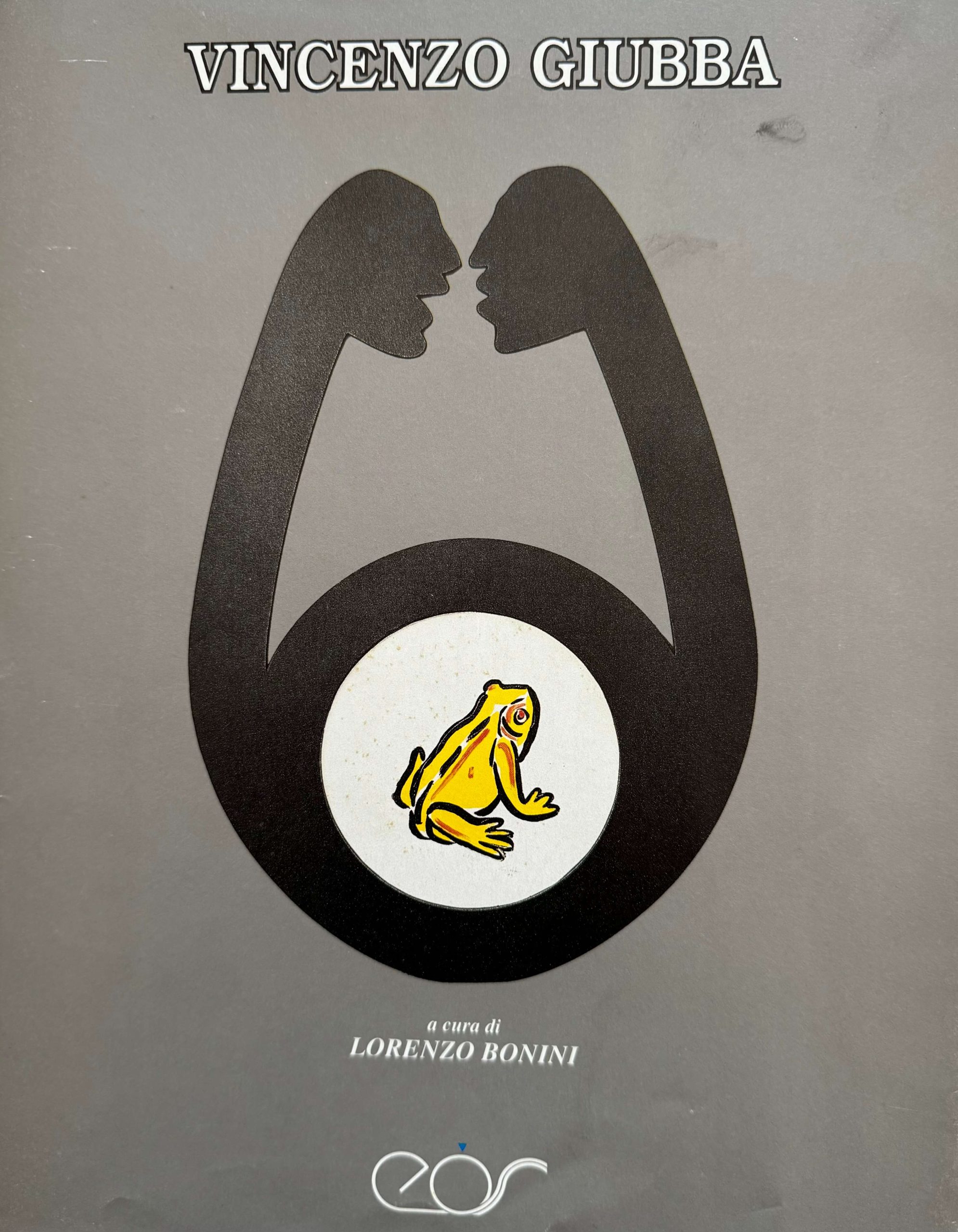
1994, Lorenzo Boninitaken from: PATHS OF CONSCIOUSNESS
Read More
“In the current use of the term expressionism referring to the arts, two different meanings are given: on the one hand it indicates a recurrent tendency, a category, identifiable in a supra-historical sense, of the psychological attitude that manifests itself in artistic making, in a system of exasperations formal, on the other hand it indicates a complex, historically determinable moment of the artistic avant-garde of this century, to which the term was applied, first by critics and then by artists.
1994, Marta Paraventitaken from: THE QUESTIONS ALWAYS REMAIN LIKE BULKS
Read More
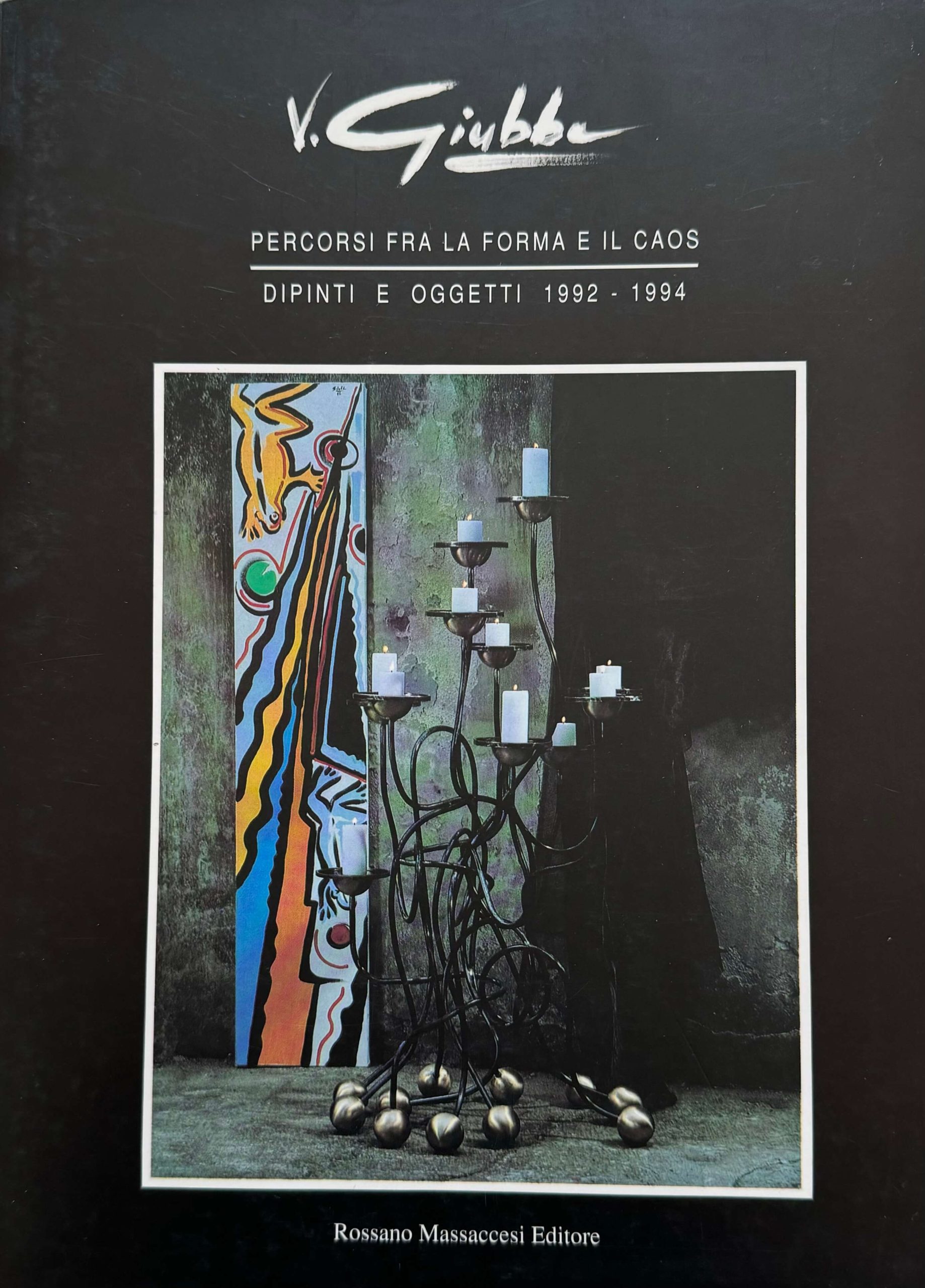
“(…) The habitat of today's man conceived by Vincenzo Giubba (...) takes on the characteristics of a mental place, moves the requests from the search for an environment that lives for man, according to his earthly stop and attempts to interpret its meaning, to perhaps paralyze the excesses achieved; the technological paradise has no longer proved to be such and the anxieties, the questions of all time remain like boulders, assail us in an eternal return. The artist takes hold of the formal results achieved in our era and shapes them, puts them back into play in a key that favors daily rhythms rather than excesses aimed at the future (...). The desire to totally immerse himself in the daily nightmares, screams and deliriums that we experience in the metropolitan social realities of today prevails in him now. (…)”
1995, Giampaolo Thoreltaken from: ART PATHS BETWEEN REAL AND VIRTUAL
Read More
“Vincenzo Giubba knows how to dare where few venture, avoiding chromatic contributions and placing himself on the side of the concept and judgment on the world and on things. A detachment from reality that does not mean disinterest or, worse, alienating escape. His paintings are conducted along icastic figuration in order to have a greater impact on themes and concepts. Is yours an intellectual painting? Definitely courageous painting that concedes nothing to "frames" of various kinds."
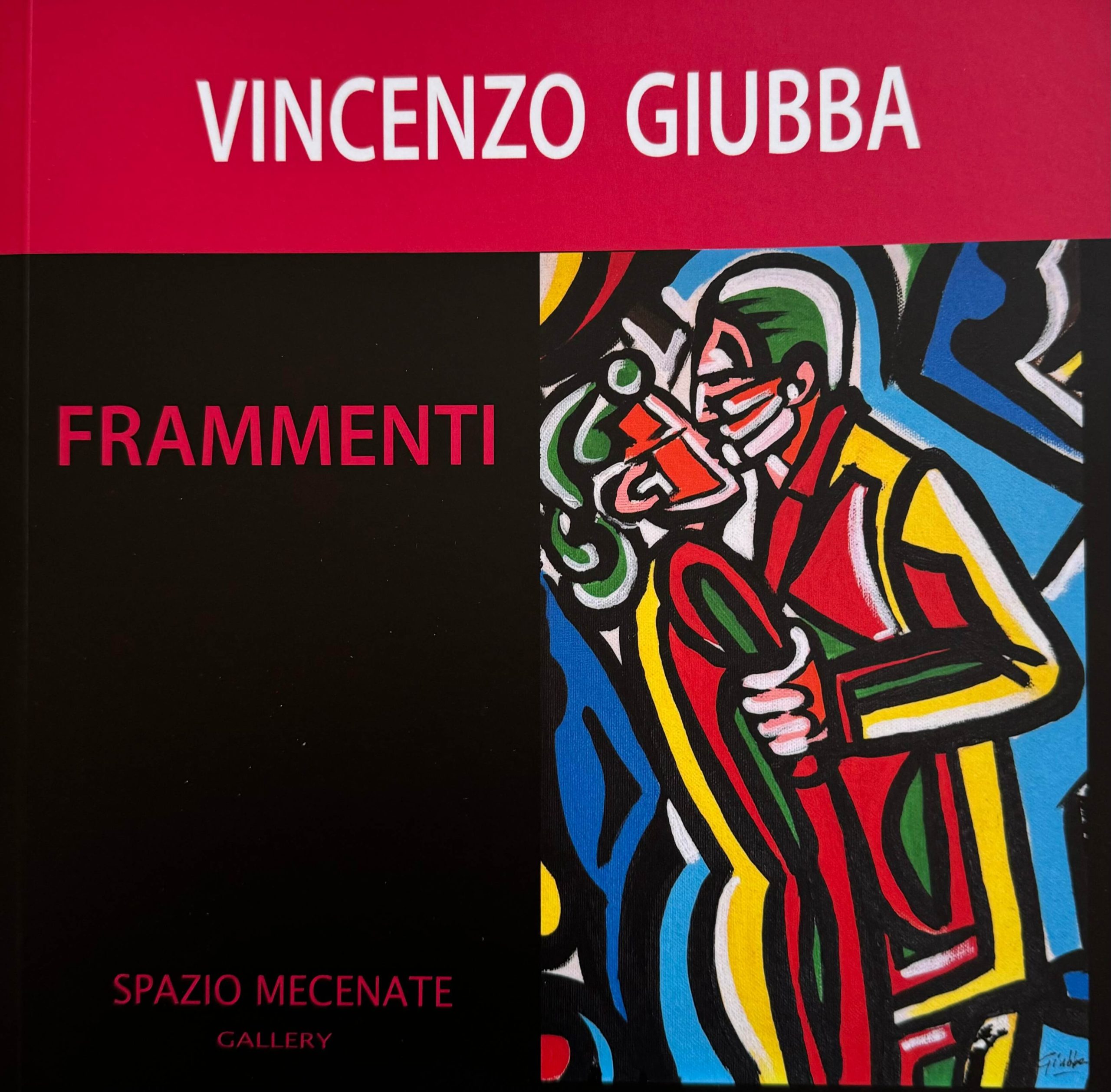
2024, Maria Chiara Strappavecciataken from: VINCENZO GIUBBA – “FRAMMENTS”
Read More
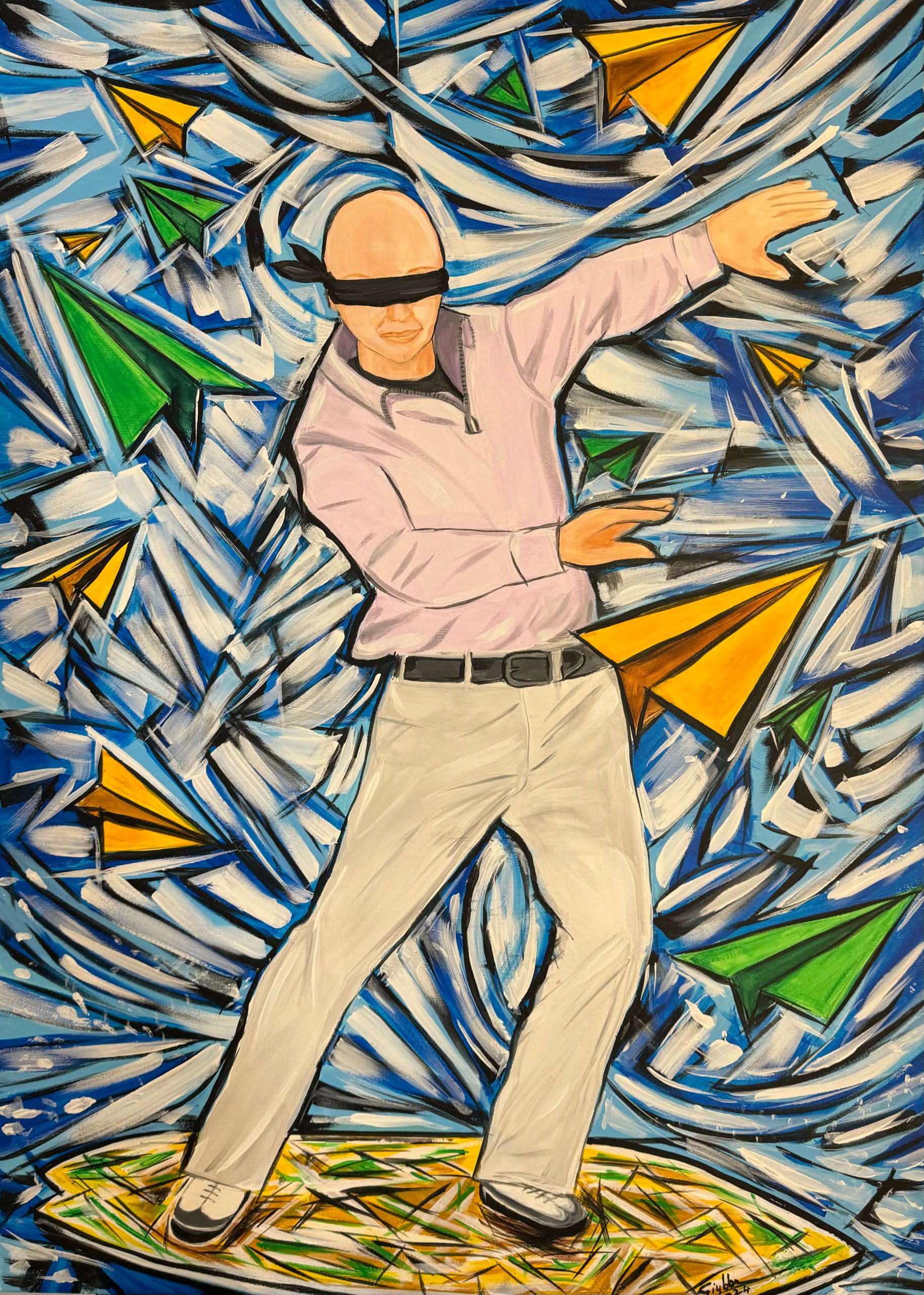
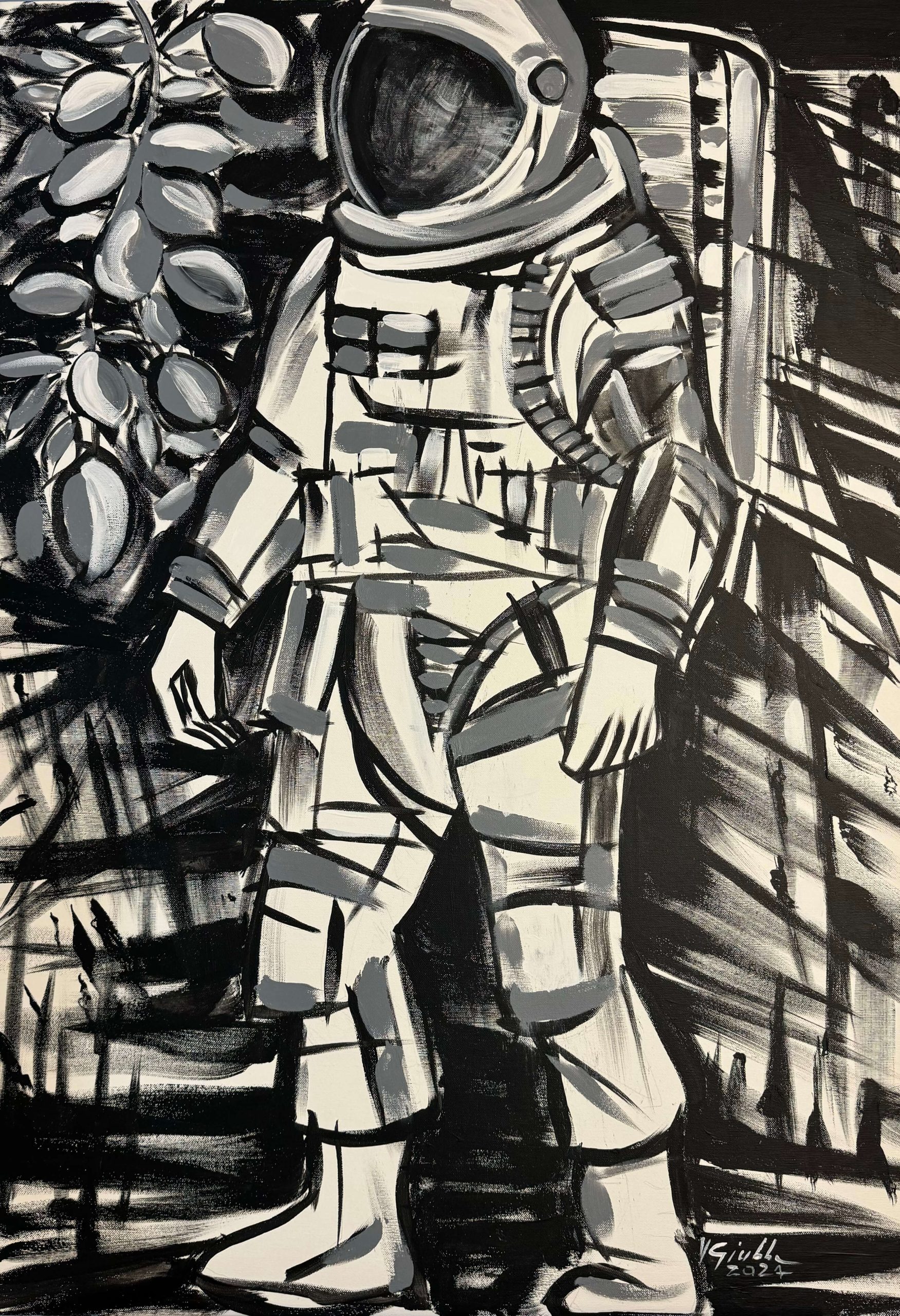
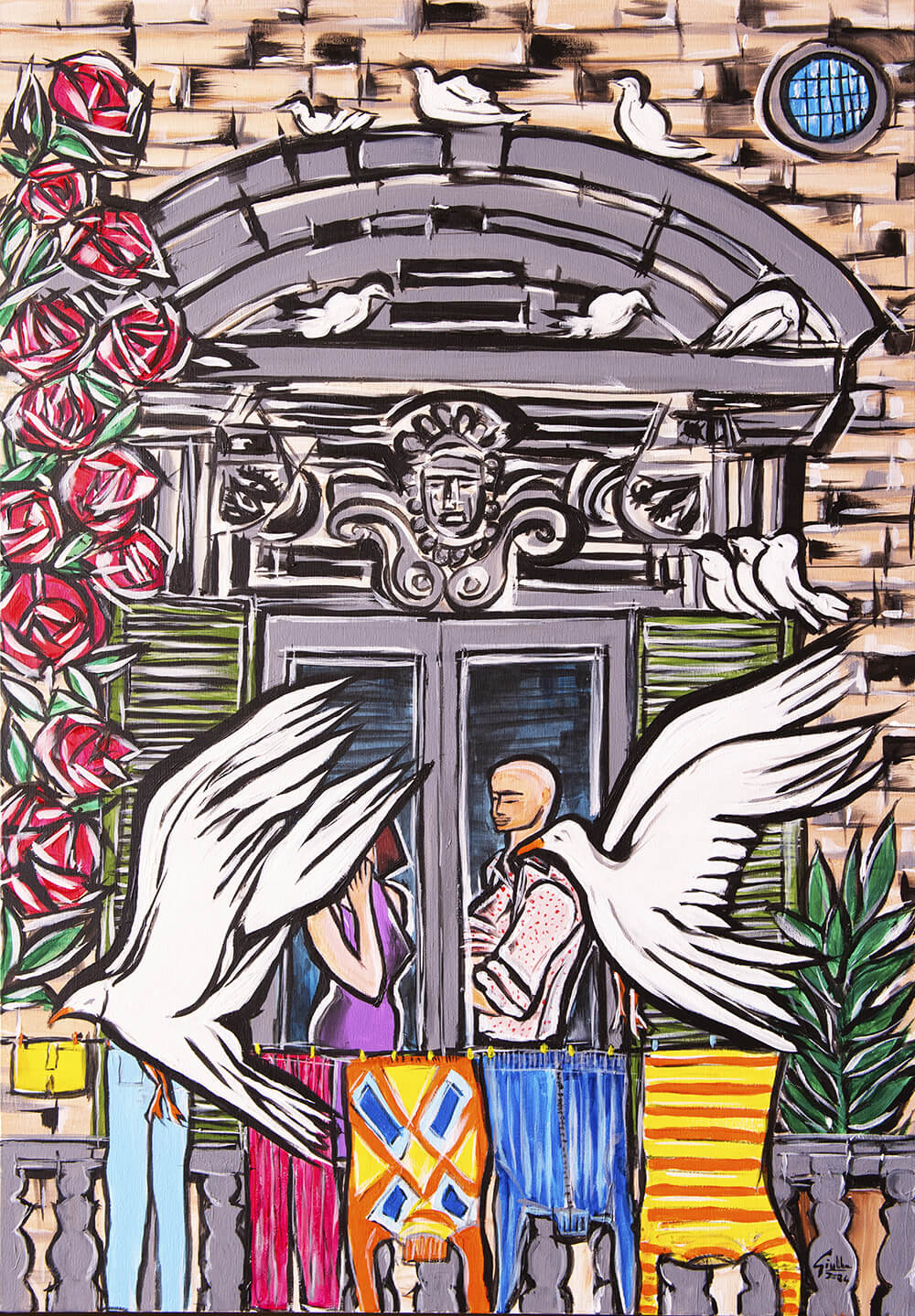
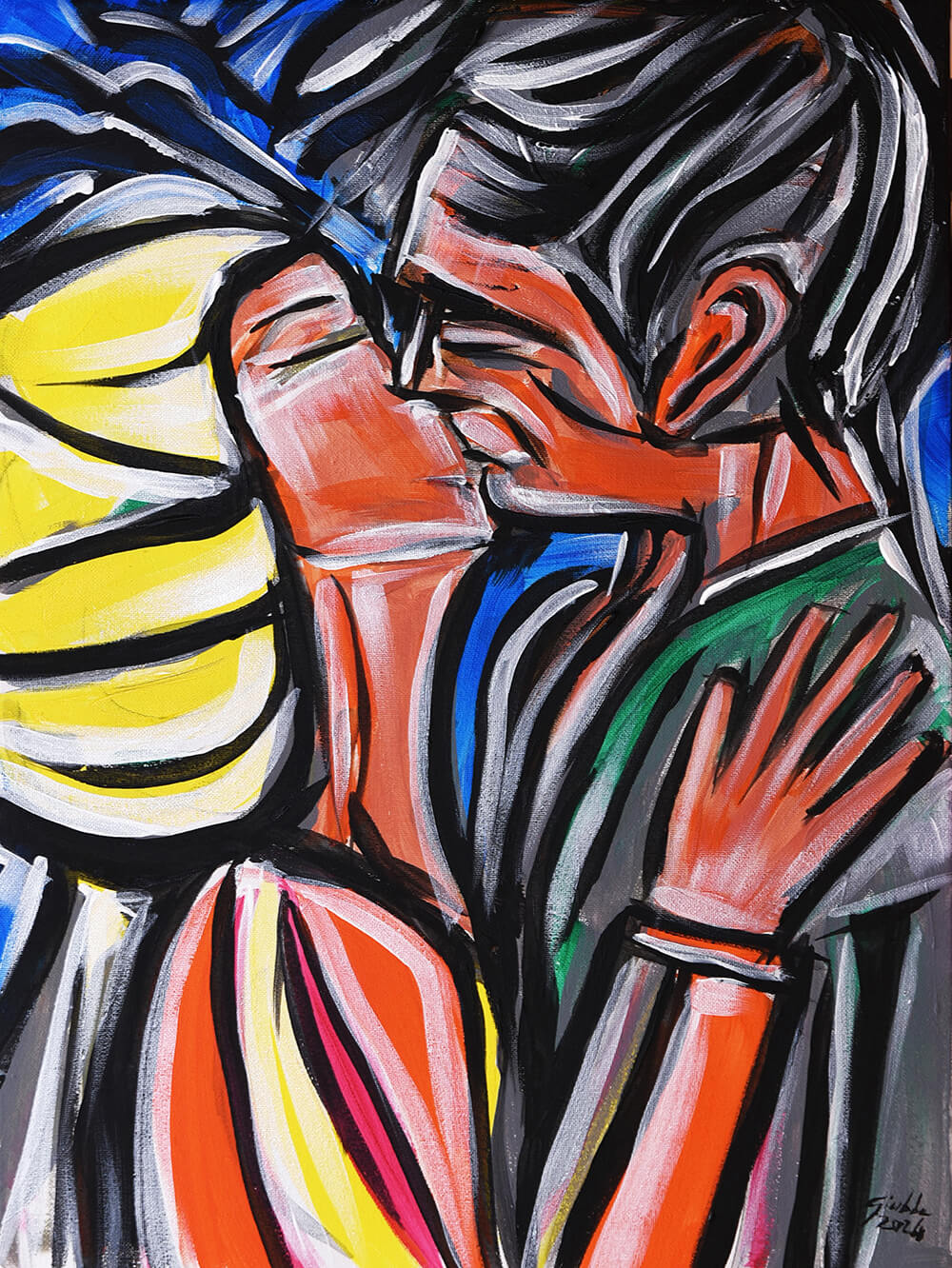
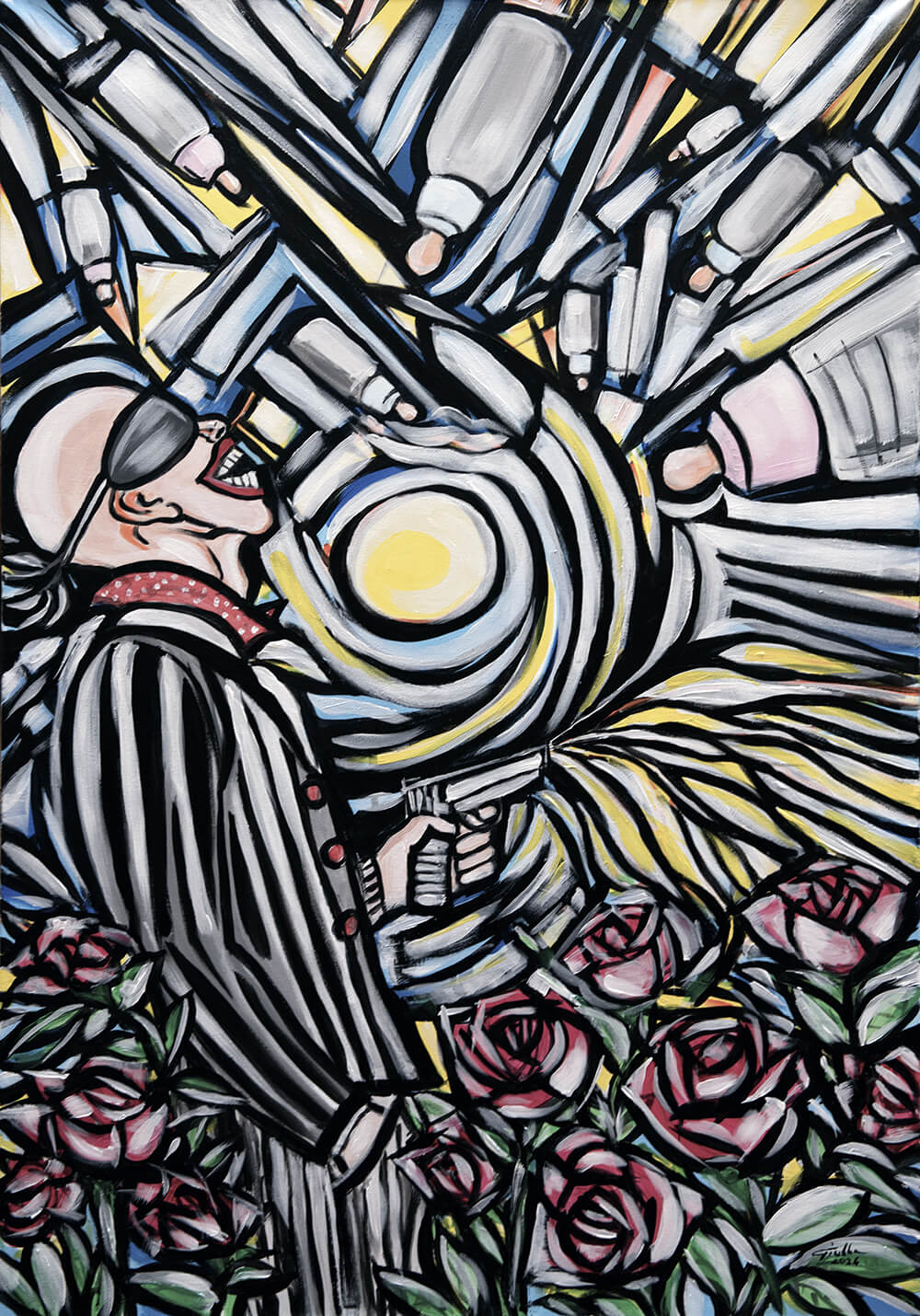
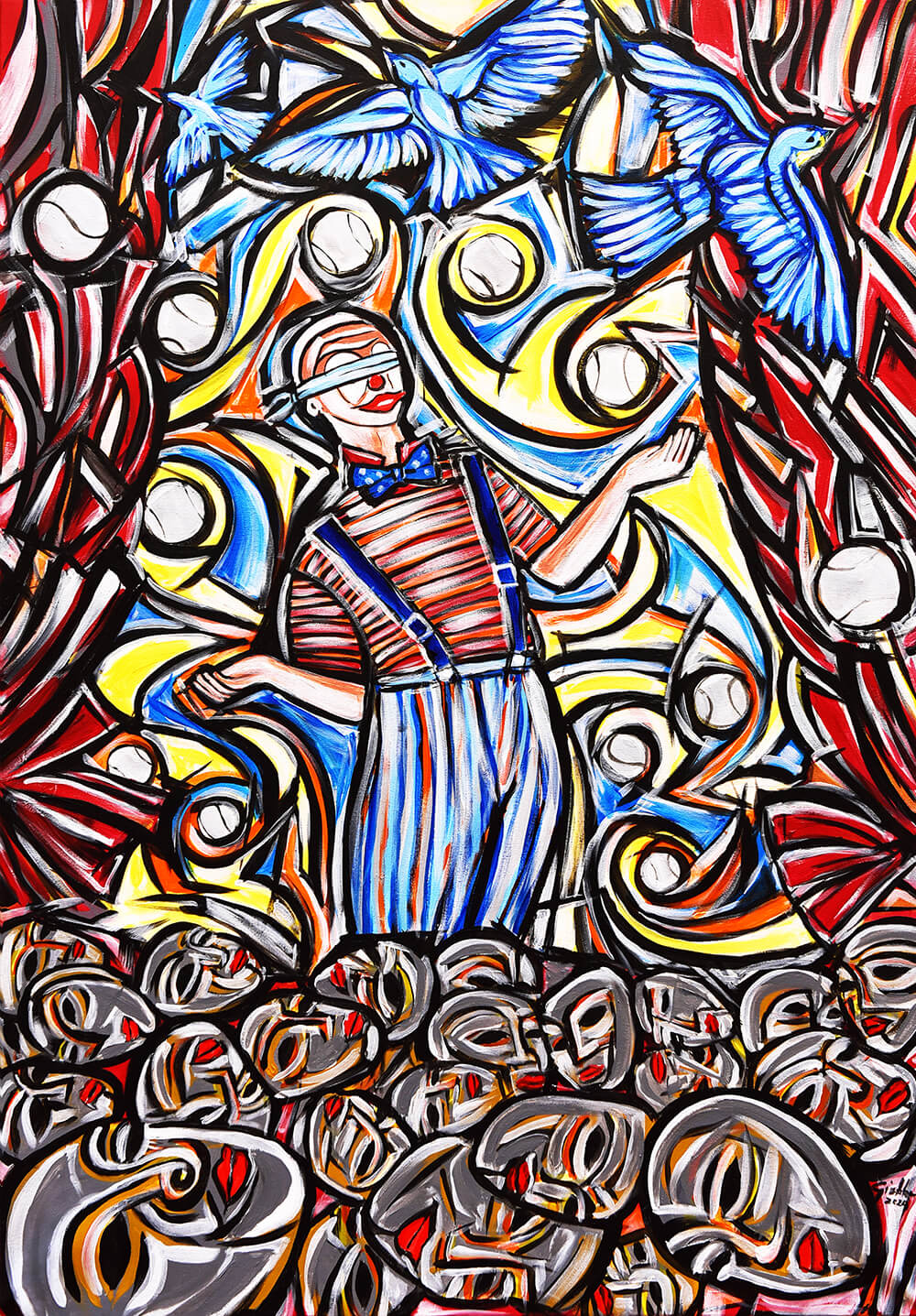
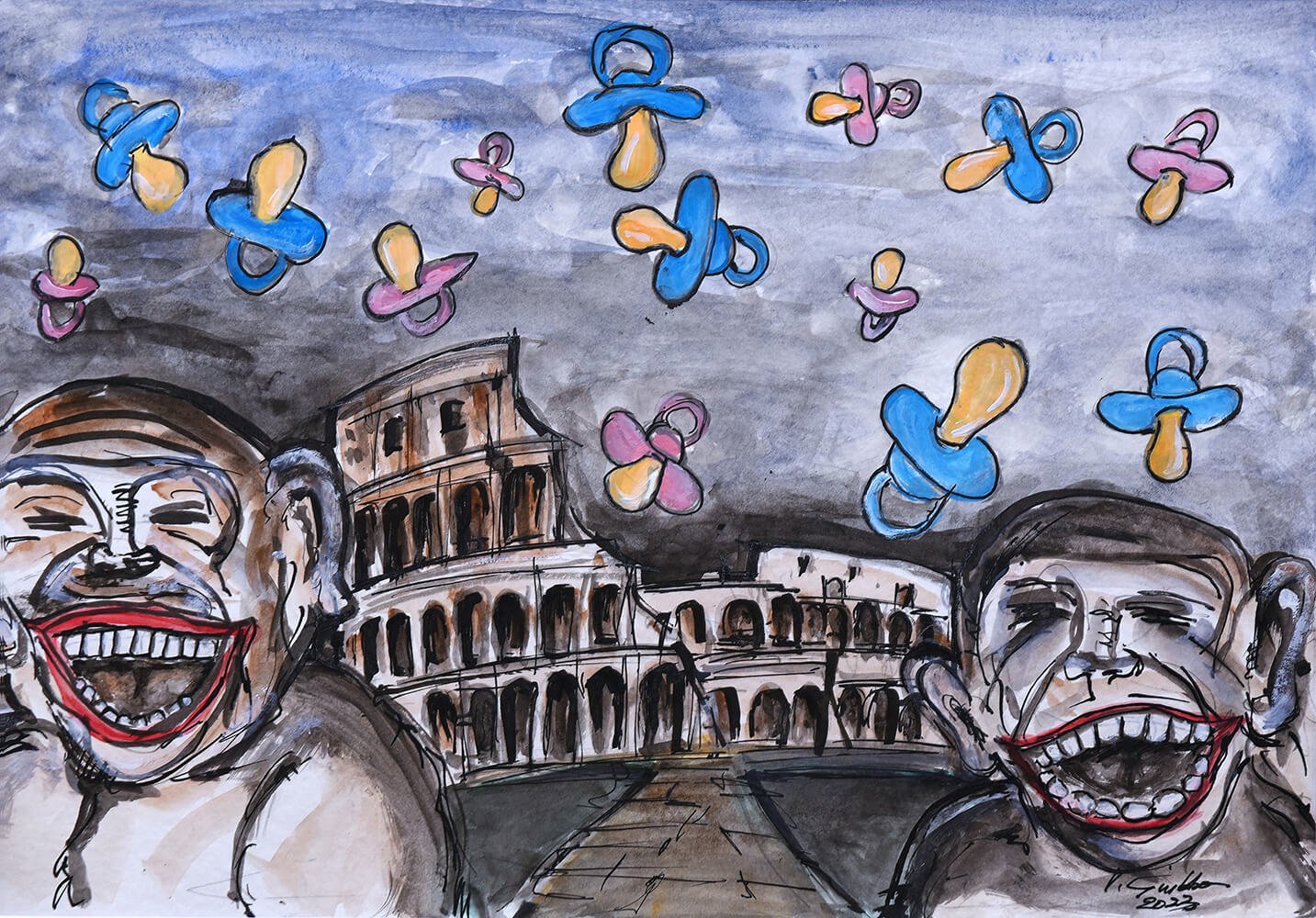
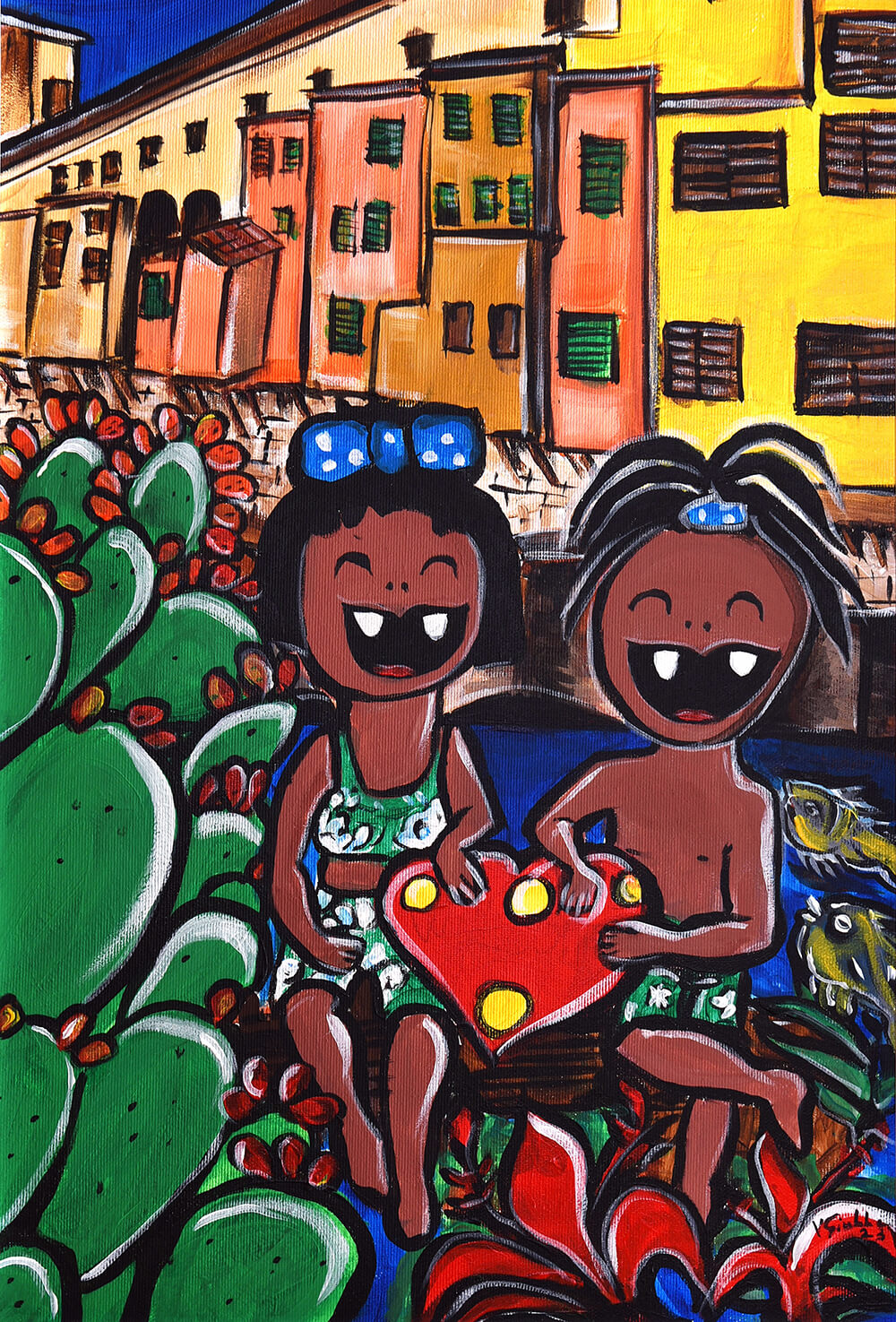
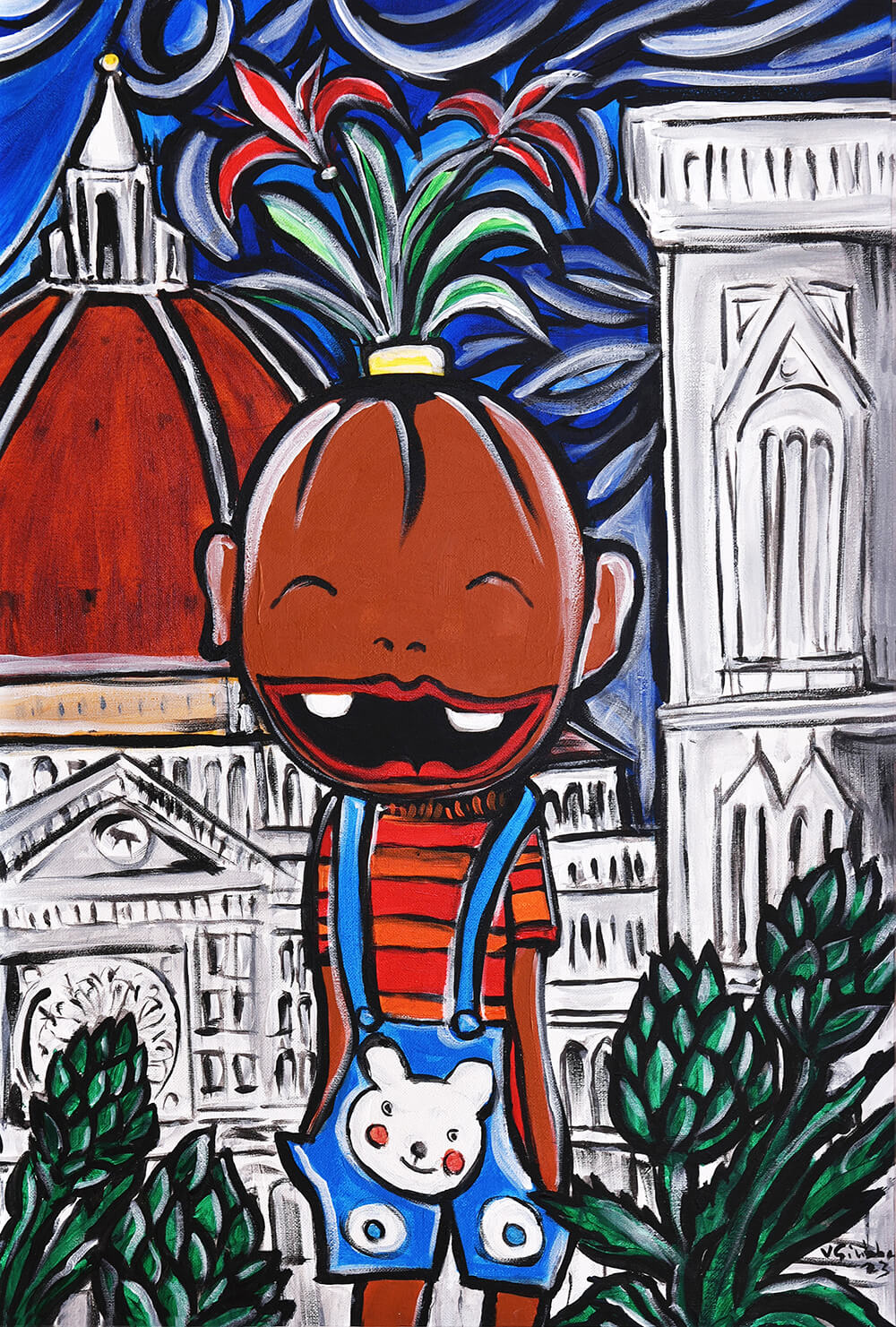
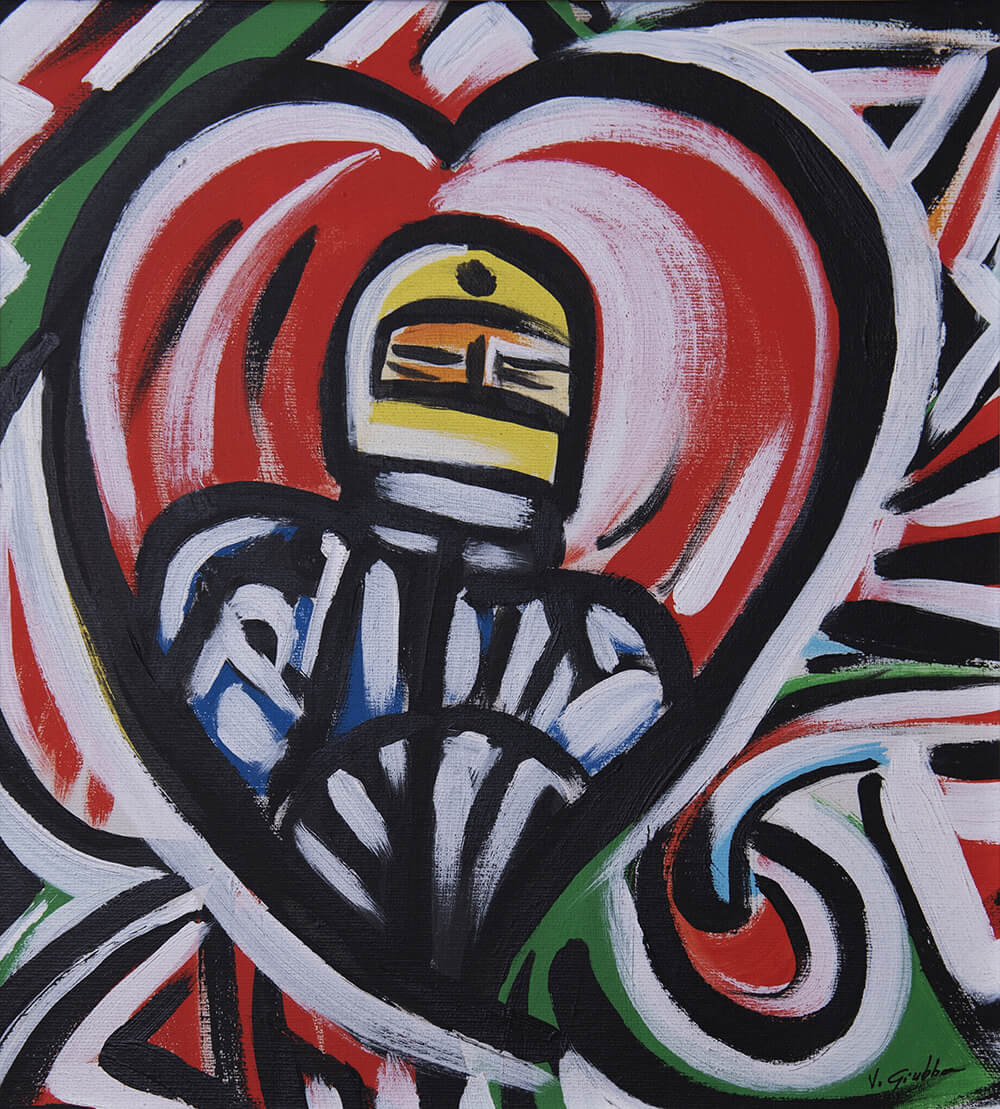
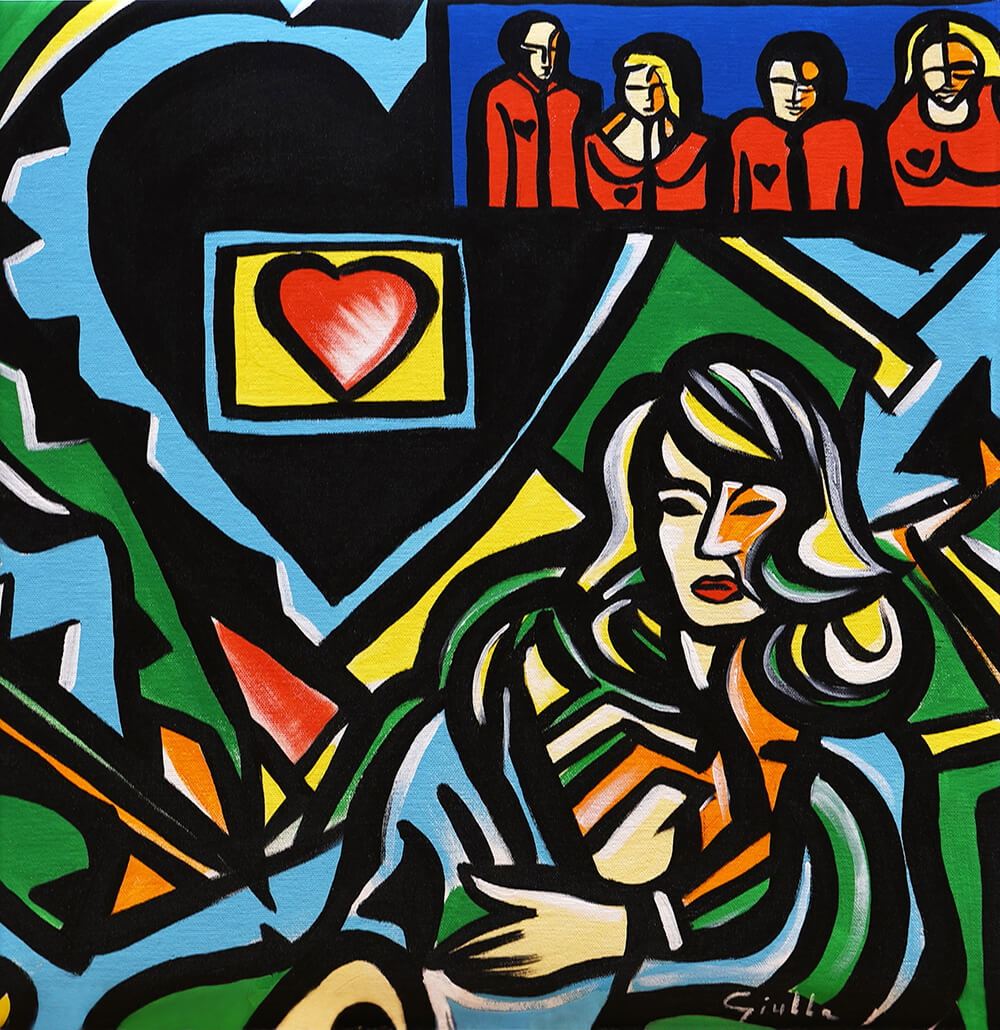
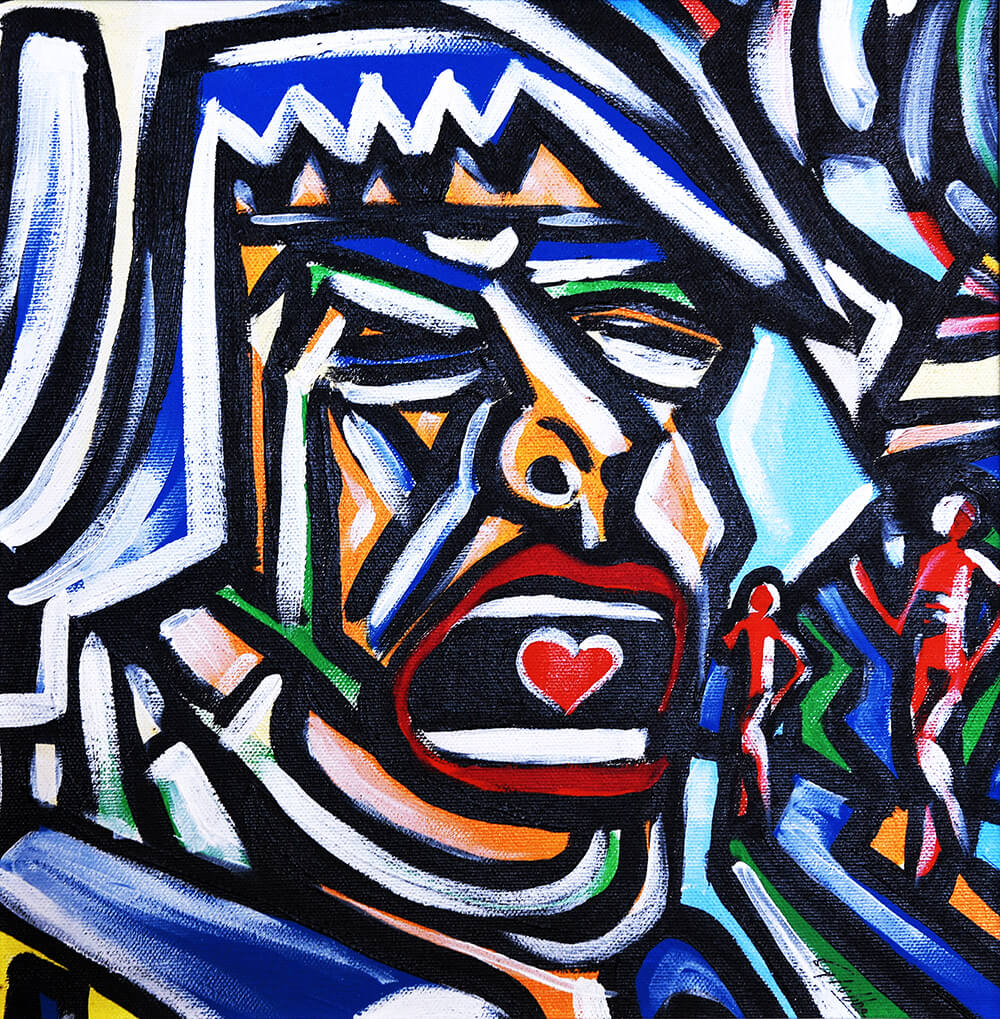
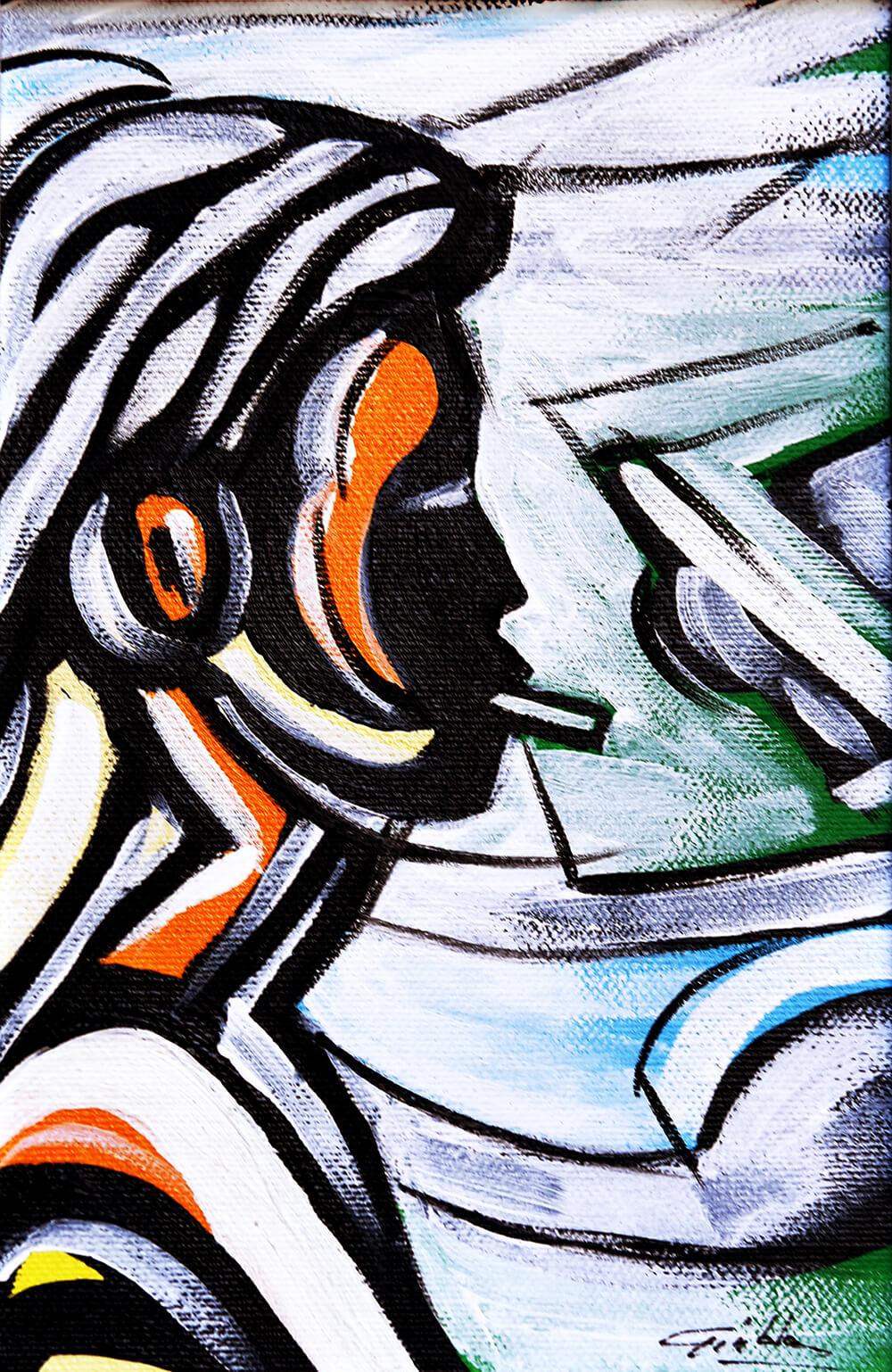
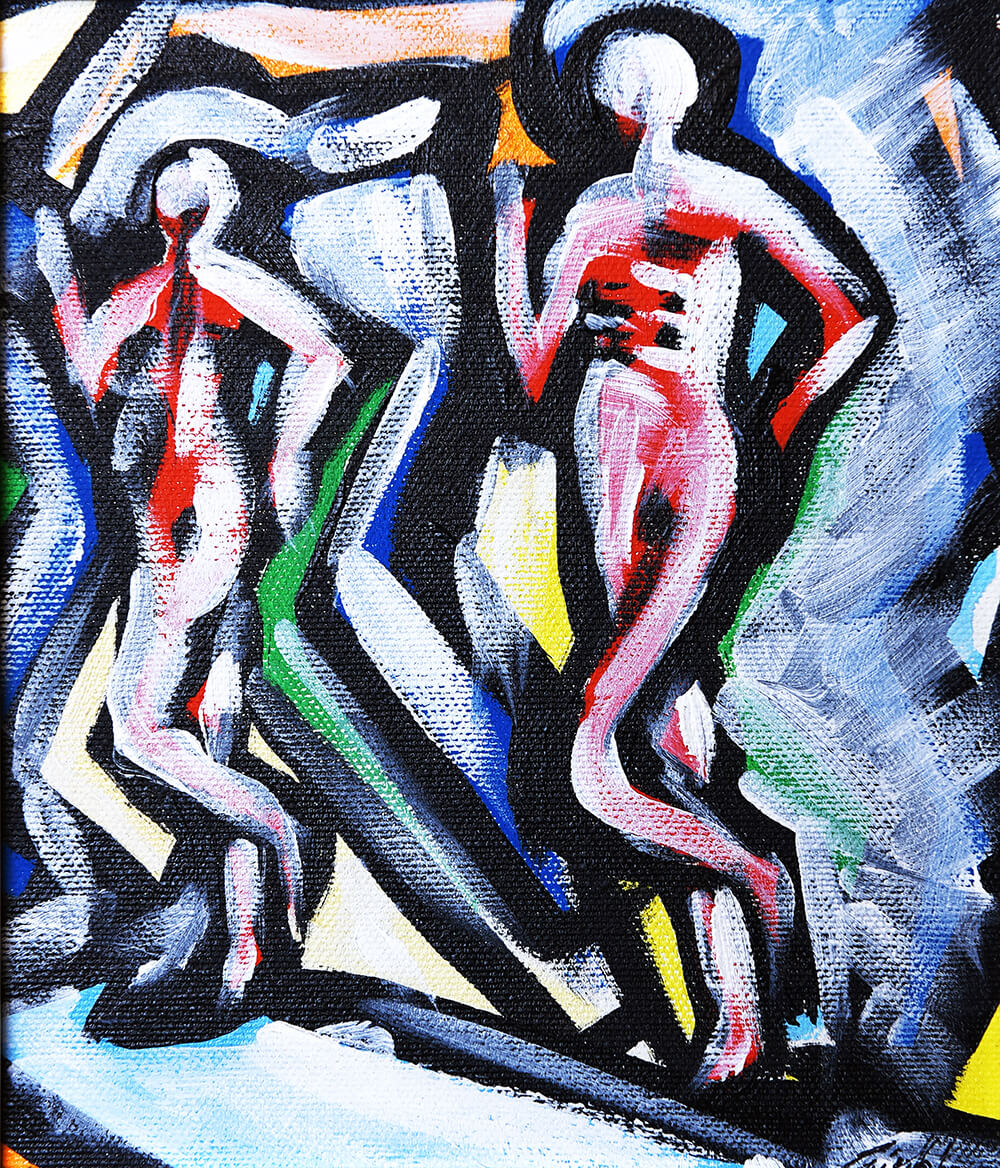
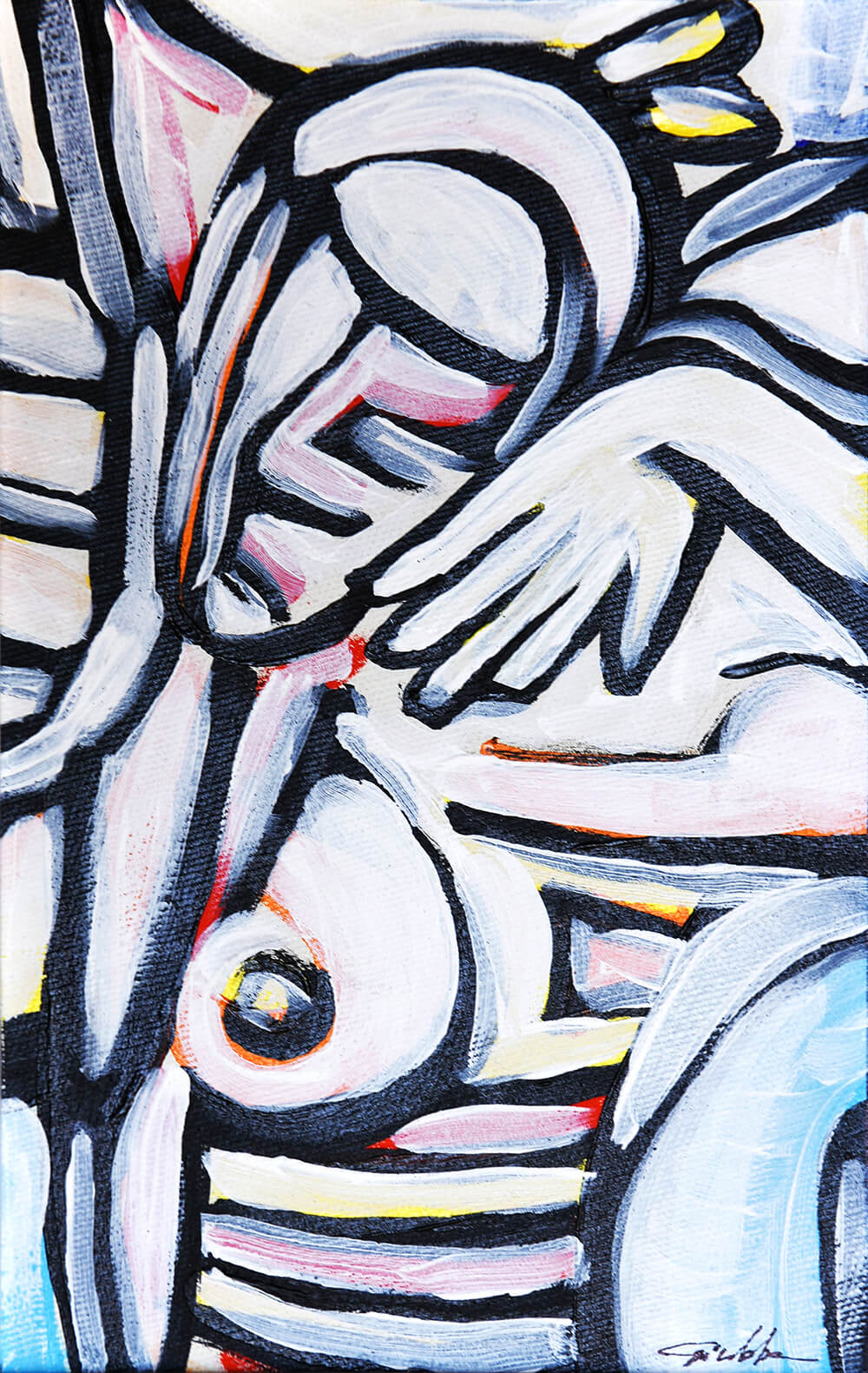
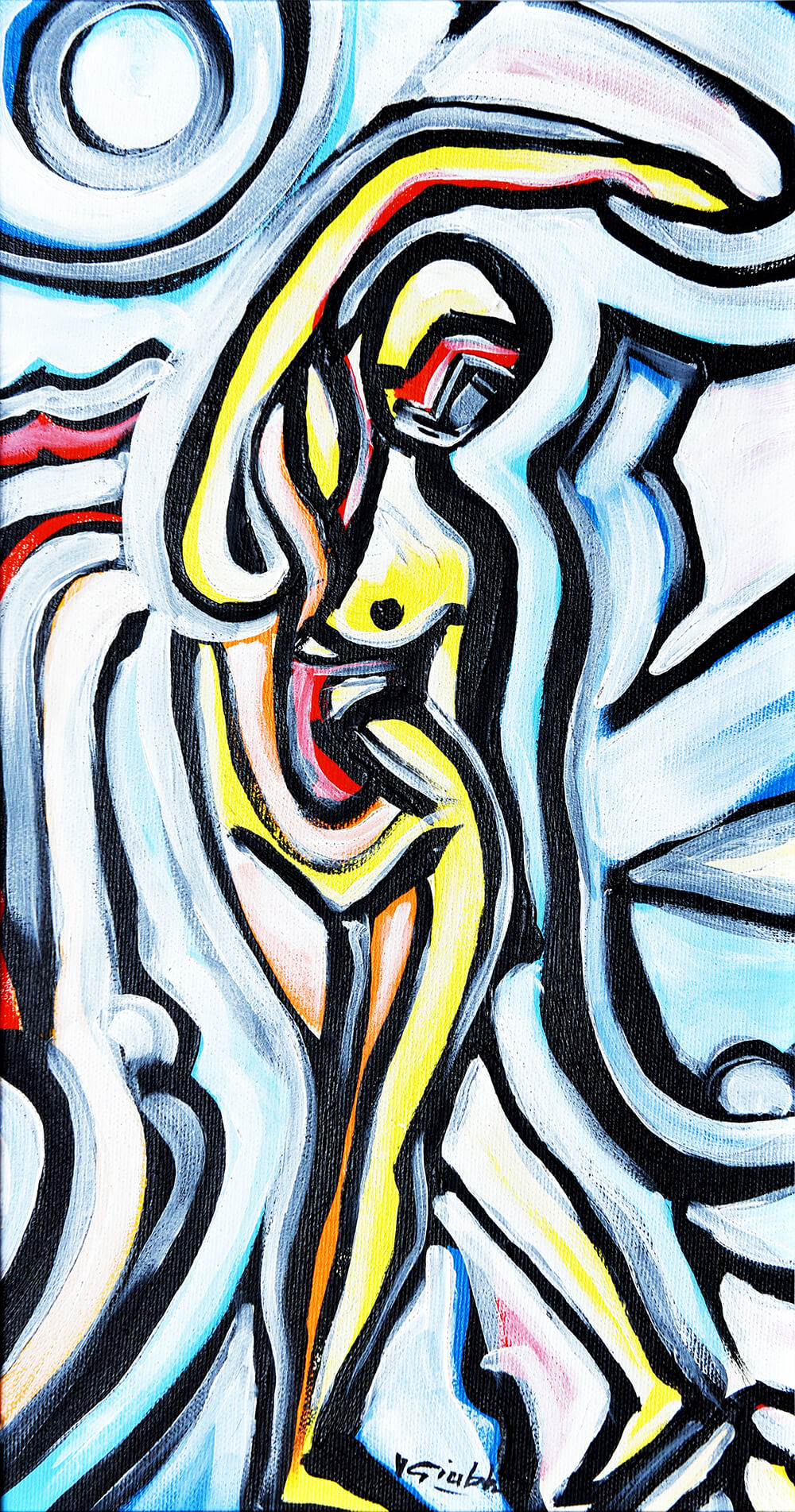
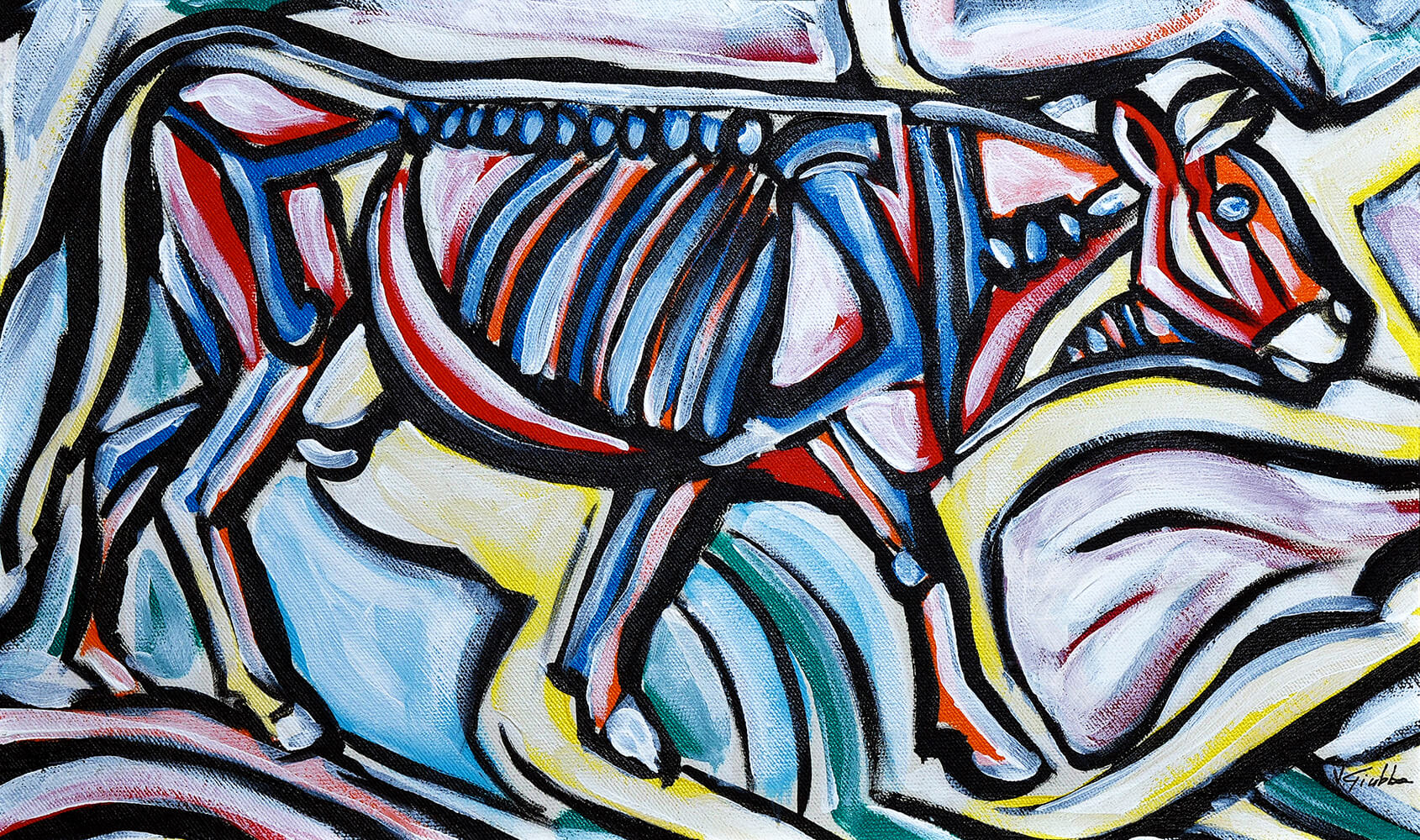
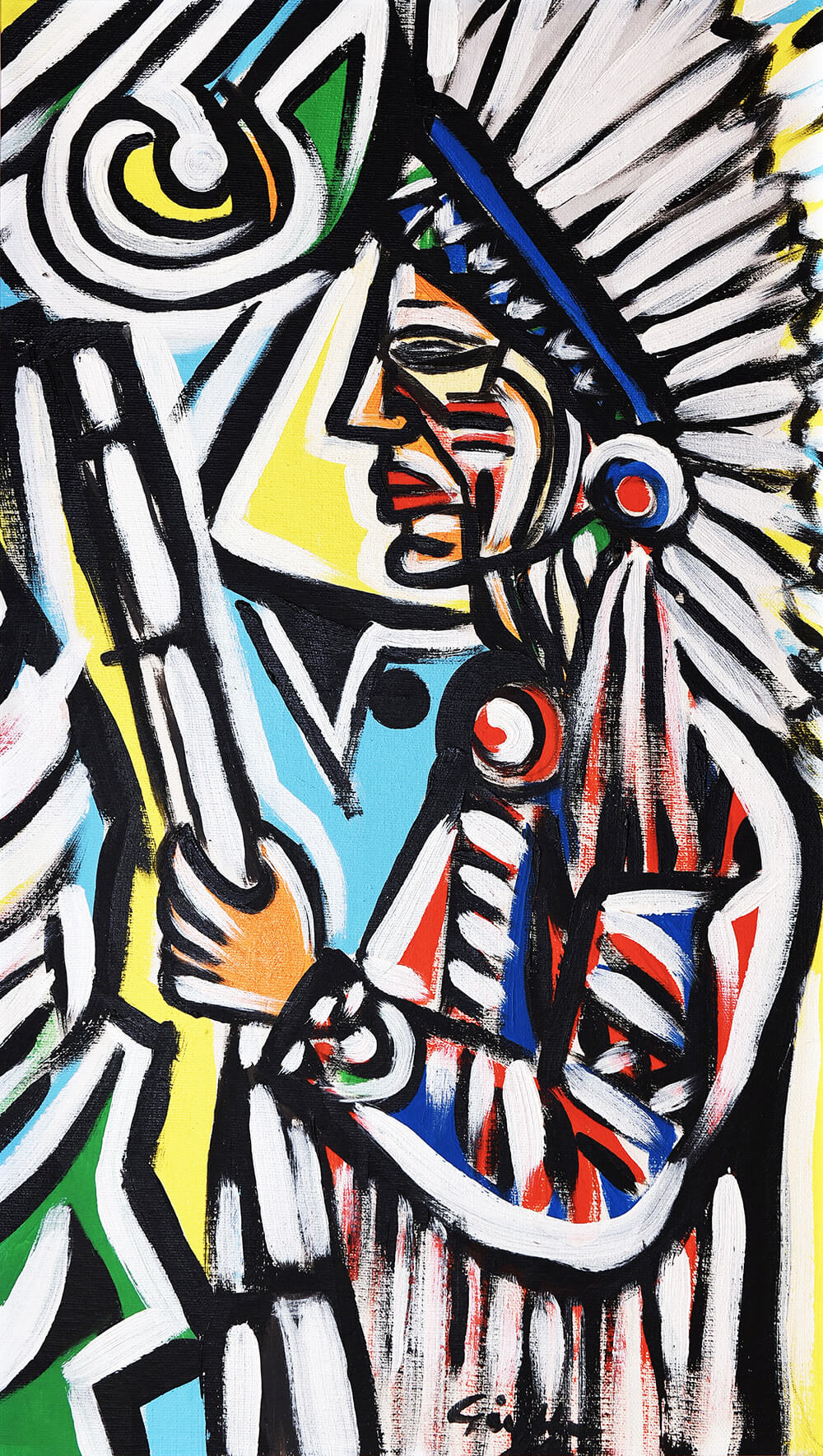
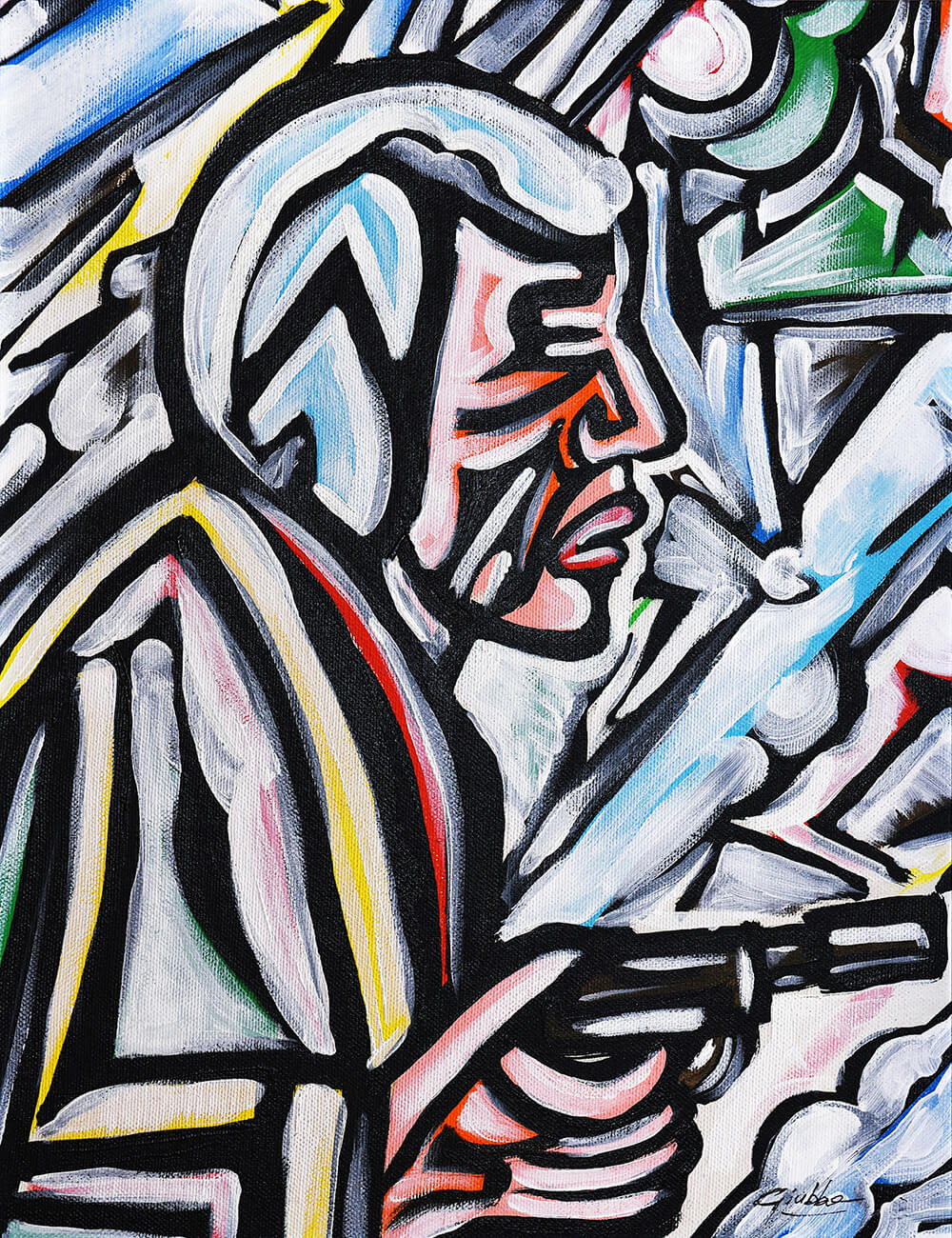
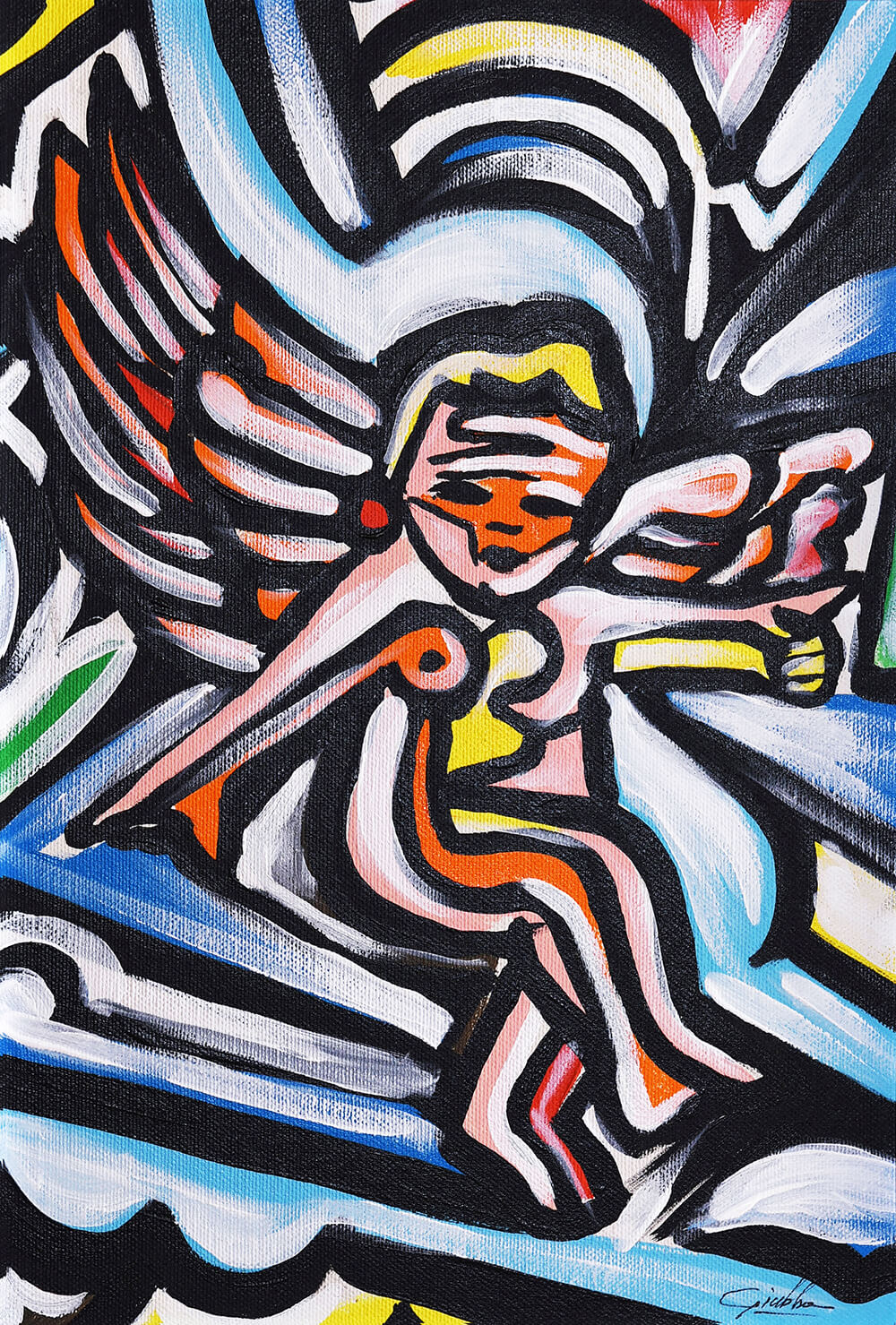
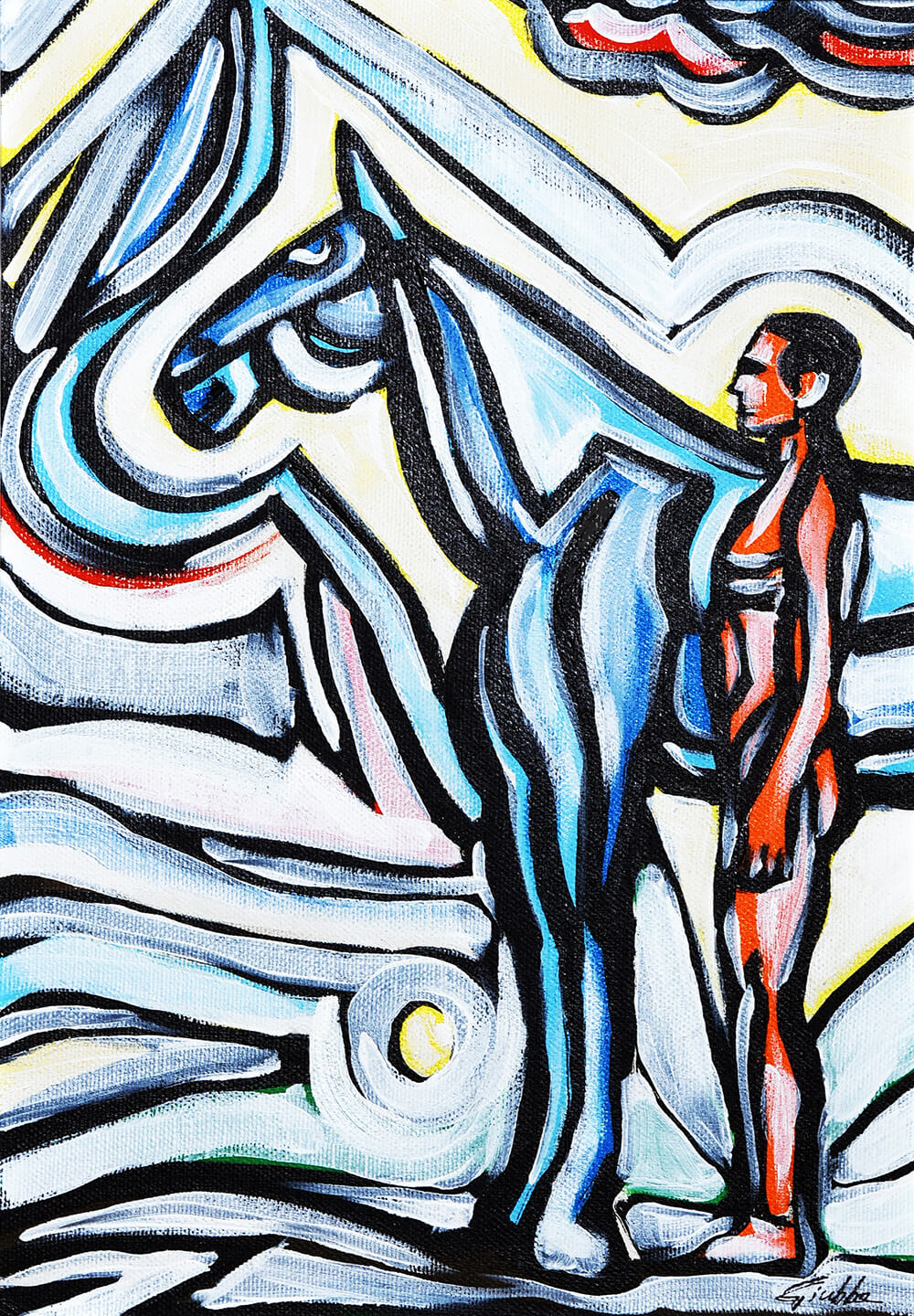
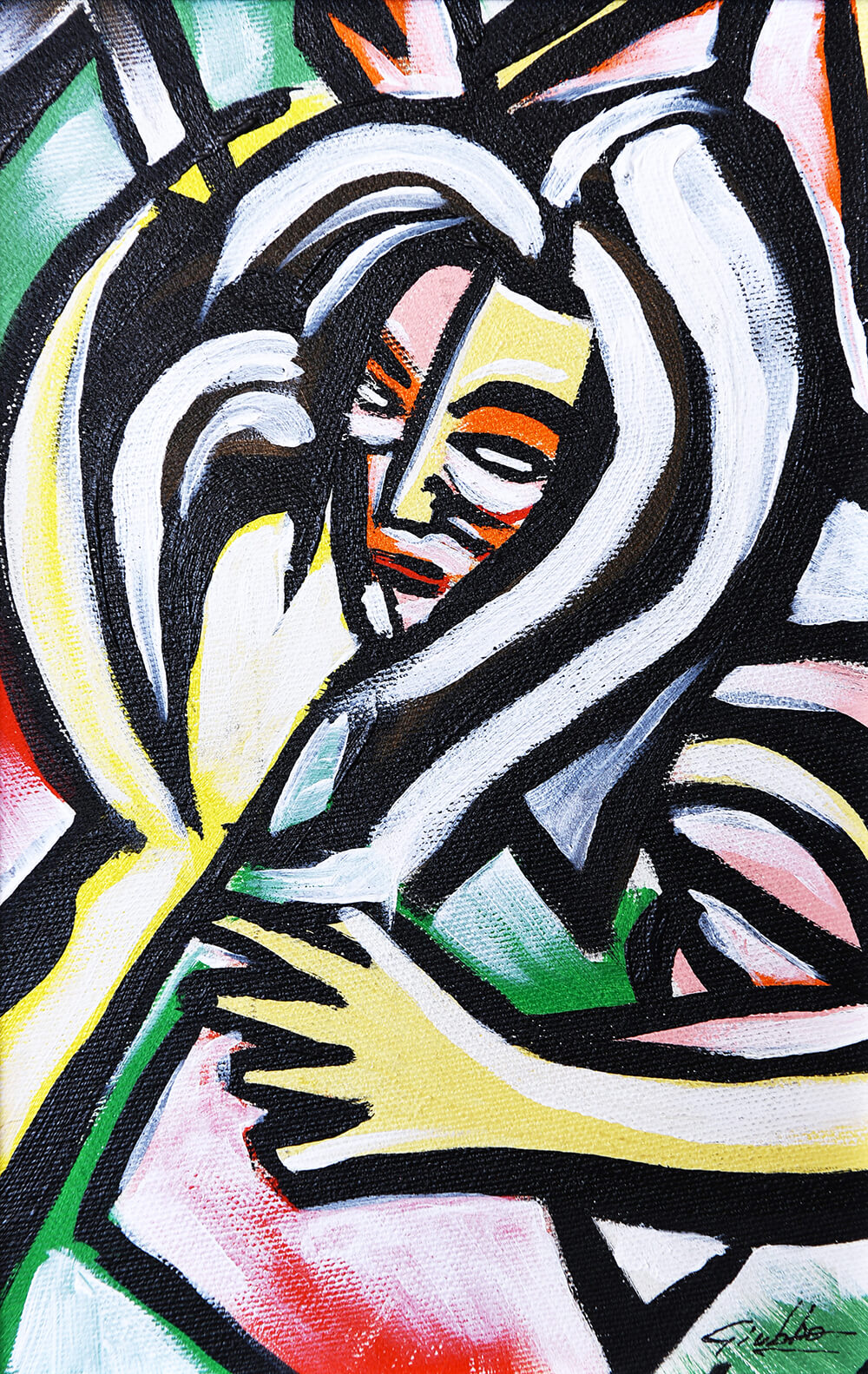
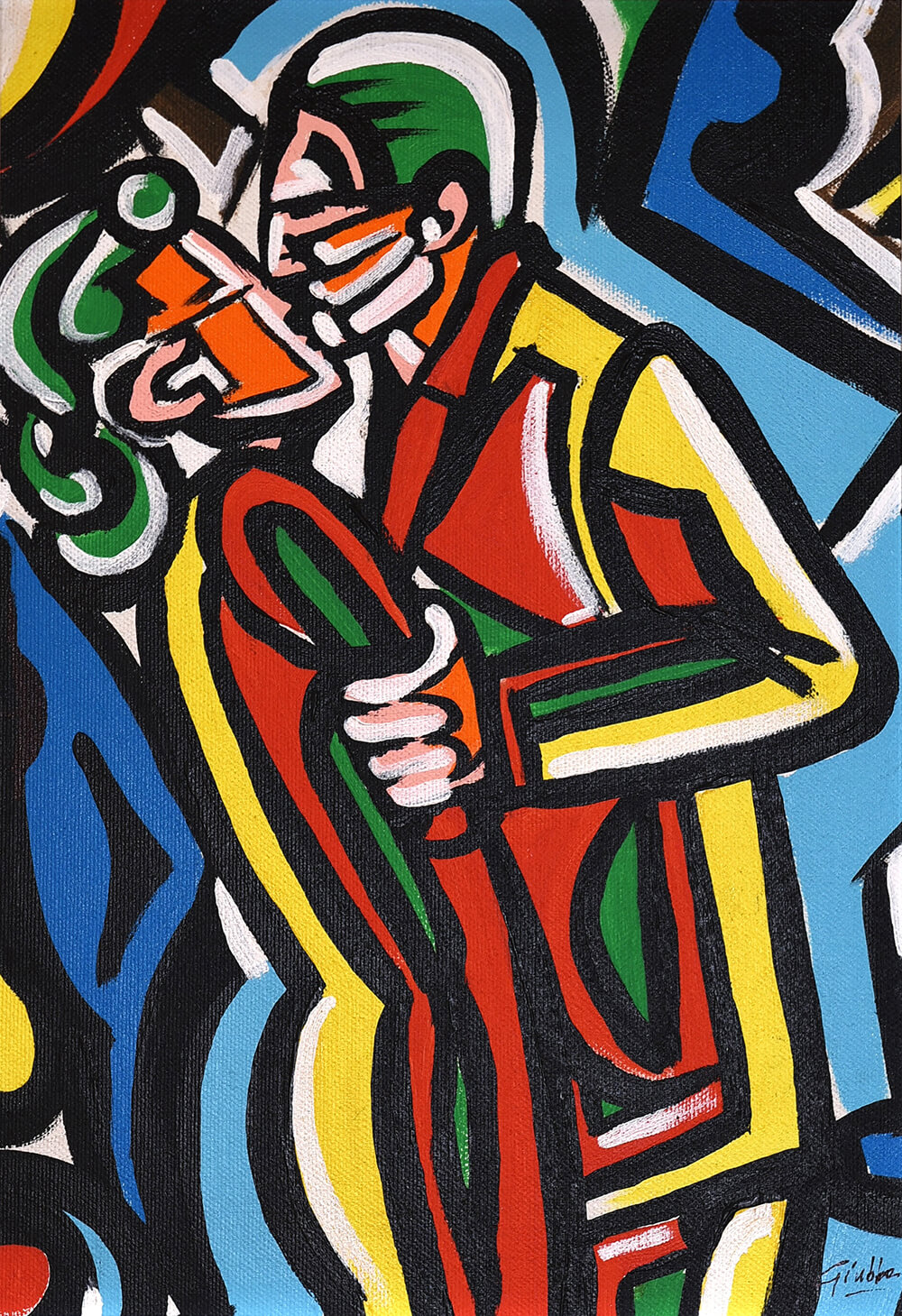
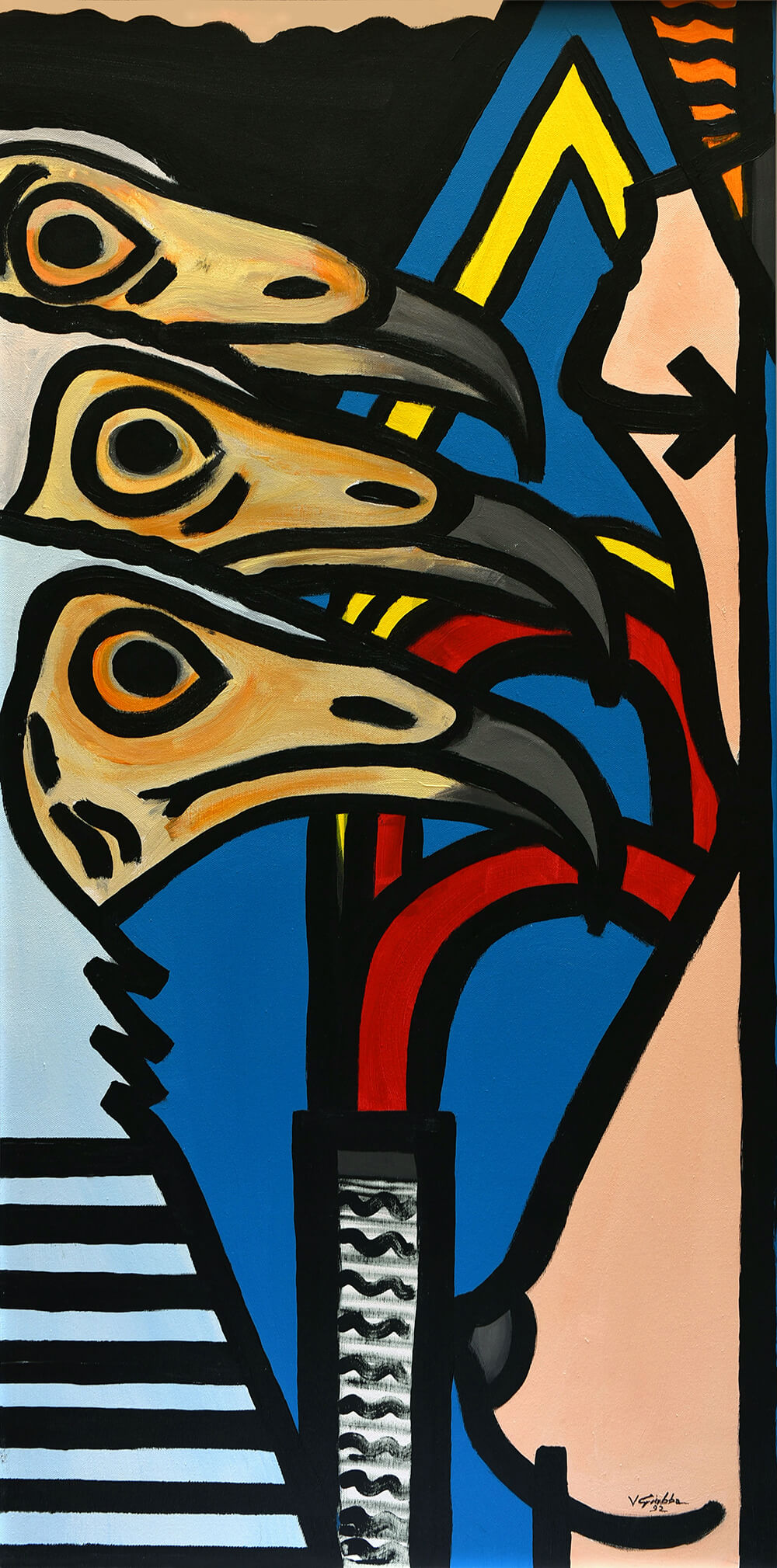
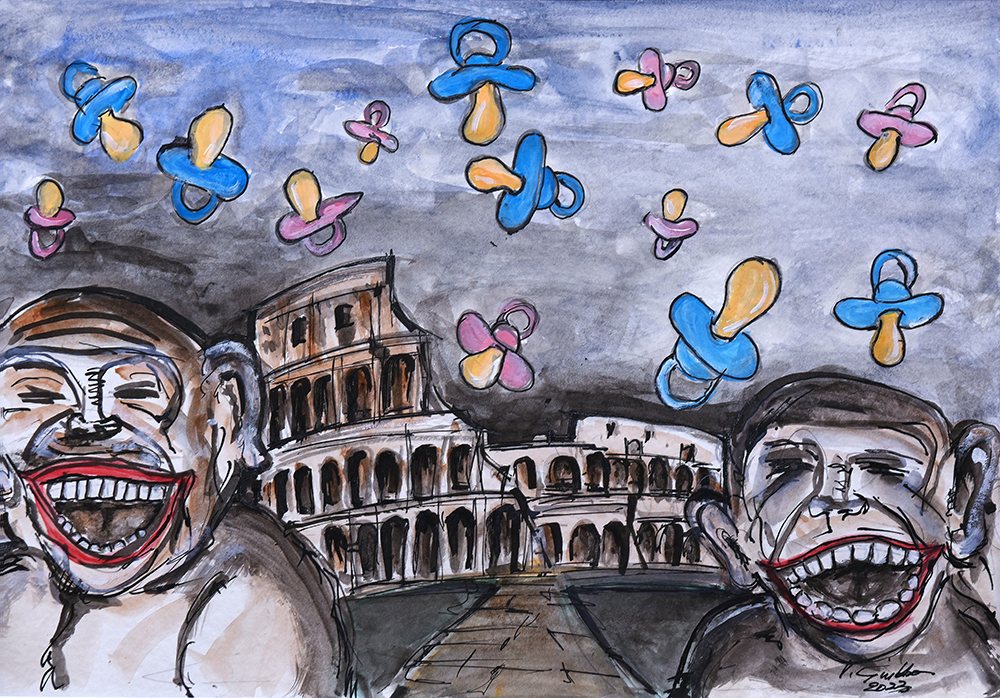
“(…) Giubba's manner is based on an internal process, on shreds of memory and references to the past that are continually assembled and disassembled, but behind the apparent chaos of his brushstrokes there is always a premeditation, a precise compositional will of the artist.(…) His painting is interested in the exchange between cultures, even very different ones, in characters who are part of internalized worlds that interpenetrate and mix with results that are sometimes dramatic, sometimes ironic and funny. Different and distant worlds that present themselves as fragments (…). In Giubba's art, reality becomes an object of experience, artistic creation is the starting point of the "here and now", home of an affectivity that links the artist's personal ego to the world, following an intuitive nature of the unconscious and collective imagination."
2024, Carlotta Degl’Innocentitaken from: VINCENZO GIUBBA – FRAMES OF THE PAST, ICONS OF THE PRESENT
Read More
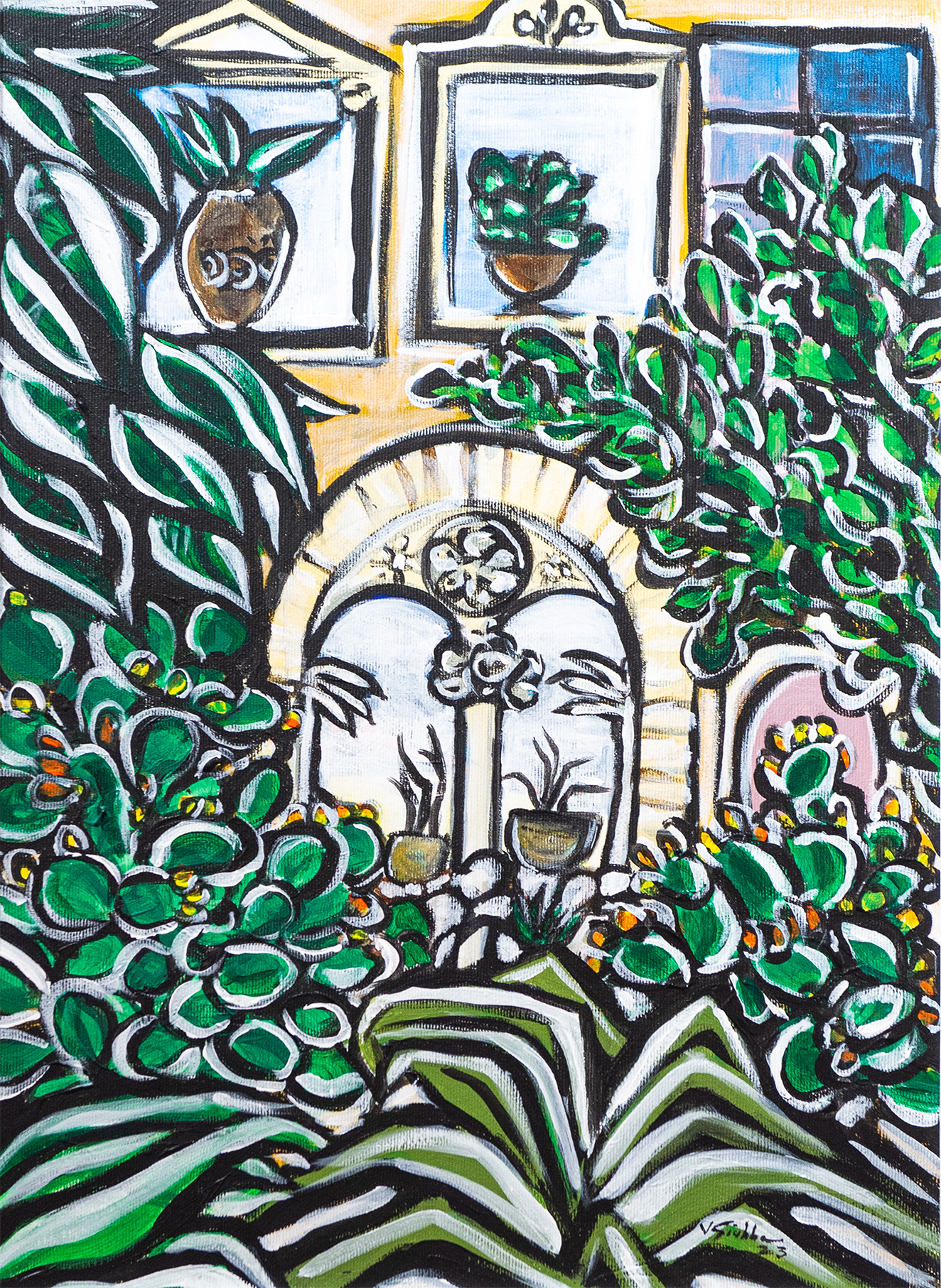
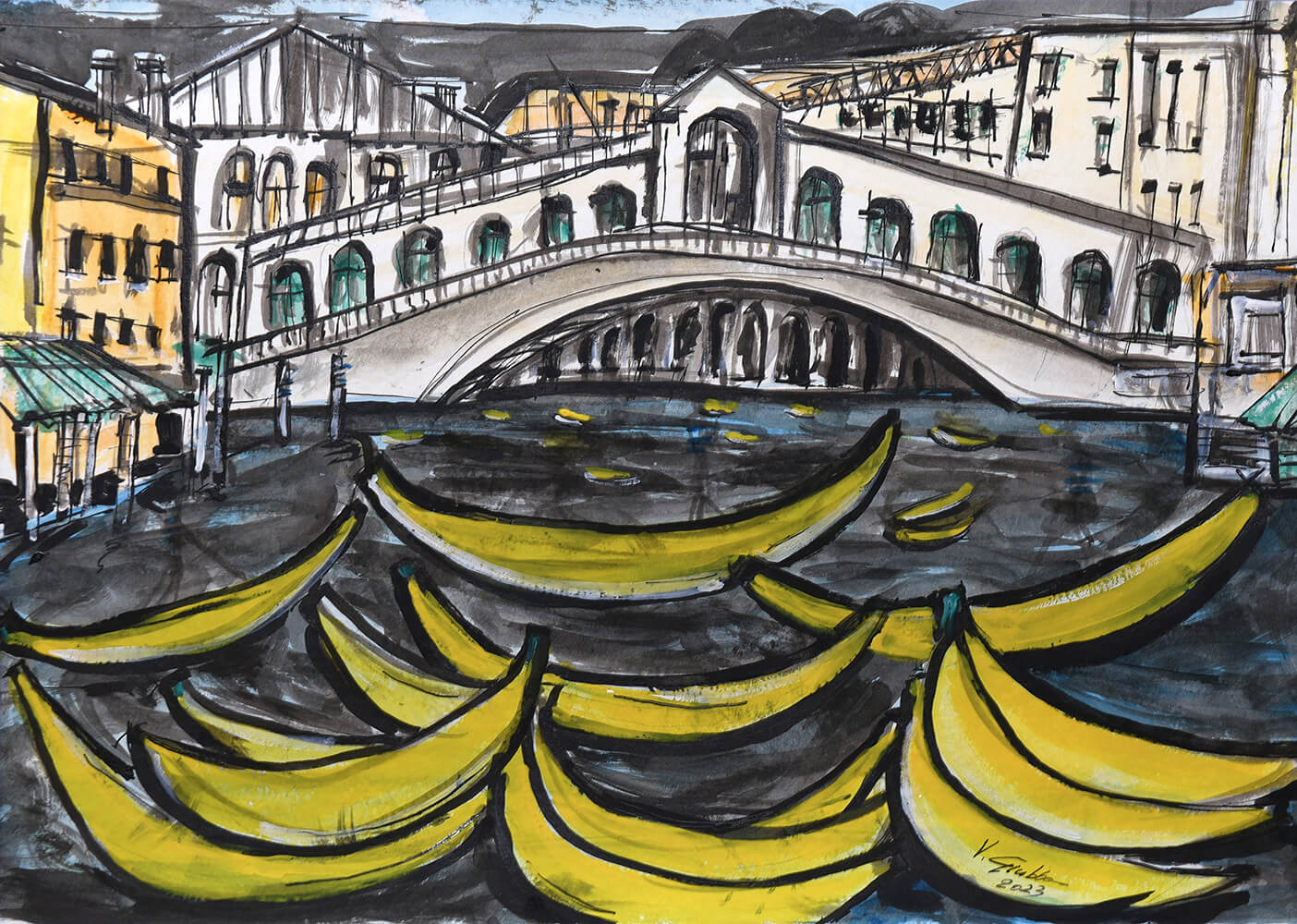
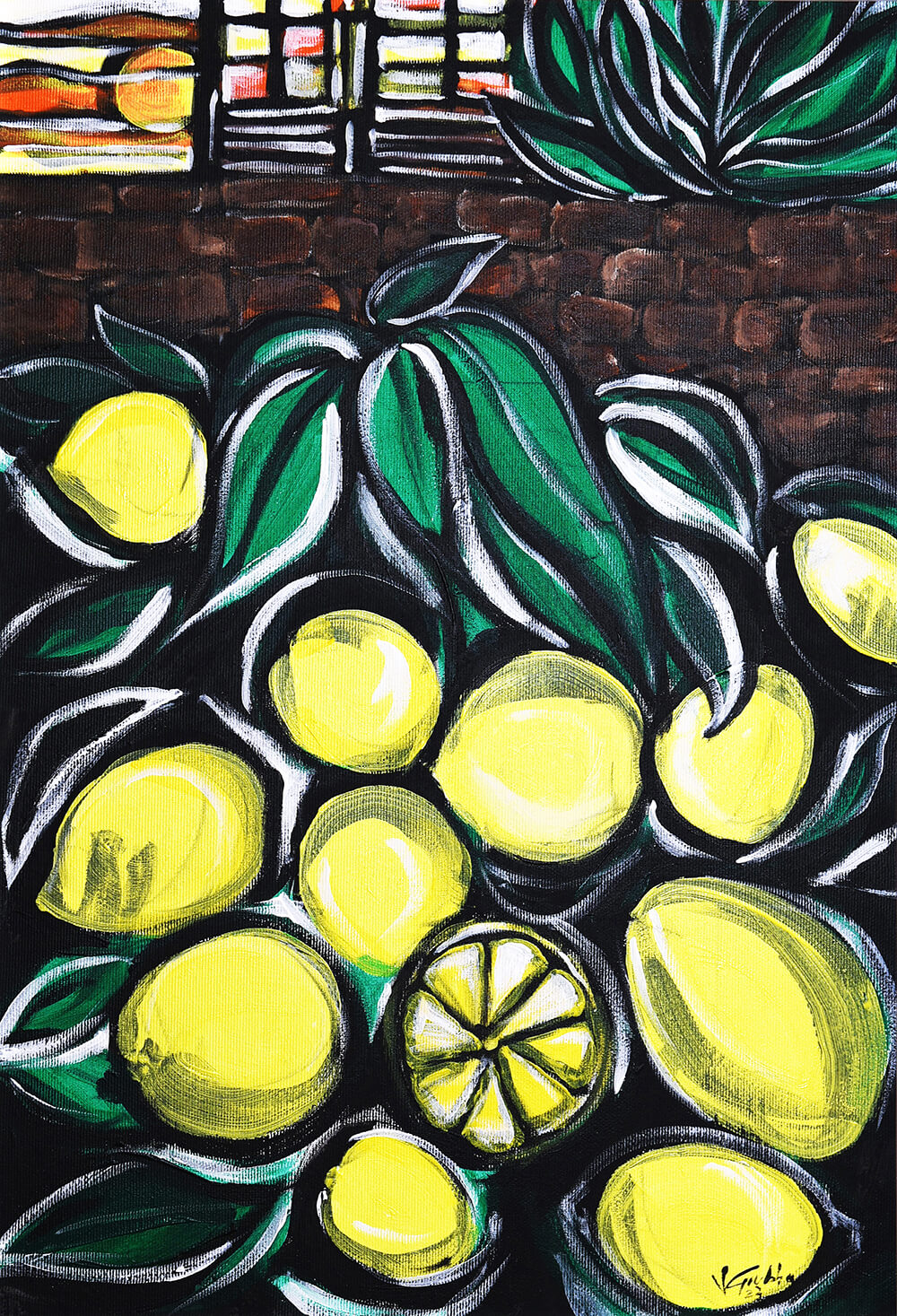
“Nothing is random, nothing is lost, everything is transformed: every cut, every detail or brushstroke is a transformation of a re-actualized past. The white touch-up becomes an alchemical symbolic element of a purification process: the Albedo. Vincenzo Giubba's visual codes fall within the language of pop art, where the expressionist brushstroke indicates the painter's creative and dialoguing strength. (…) Giubba has managed to interpret the present, and he does so by preserving the noble art of painting, in an era pervaded by digital. Giubba can play and from the alchemical Magician in the tarot, only by acting against the trend like the "Fool" card, by undertaking something illogical and irrational can the path become positive. In this sense he can allow himself to range from the classicism of some figures and architecture, with elementary colours, to naïve and pop culture with figures taken from a caricatural and cartoonish imagery, with icons and even arcane symbols, to convey his vision but also a sometimes biting criticism."
Previous
Next

NEWS ED EVENTI

Vincenzo Giubba
ROME ART WEEK
21-26 ottobre 2024
NONA EDIZIONE
L’ARTE DIFFUSA PER LA CITTÀ

PRESS

Vincenzo Giubba

Testo

FRAMES

Lorem ipsum dolor sit amet, consectetur adipiscing elit, sed do

ABOUT US

Lorem ipsum dolor sit amet, consectetur adipiscing elit, sed do
en_USEnglish